

Inaugural 2024 Elouise Cobell Dissertation Writing-Year Fellows Announced
The Cobell Scholarship Program Administered by Indigenous Education, Inc. (IEI) announces the inaugural cohort of recipients of the distinguished Elouise Cobell Dissertation Writing-Year Fellowship on behalf of the Cobell Board of Trustees.
Selected from more than 70 highly qualified applicants, the Elouise Cobell Dissertation Writing-Year Fellowship awards $30,000 per Fellow, and 12 months of academic coaching to ten outstanding American Indian/Alaska Native doctoral students. This Fellowship focuses on supporting scholars in the final stage of their dissertation process leading to the Doctor of Philosophy (PhD), Doctor of Education (EdD), or Doctor of Science (ScD) degrees. The final year of the dissertation process can be among the most difficult for doctoral students as they navigate life, research, and career. In addition to the direct funding and coaching support, this Fellowship program begins with a week-long symposium in July that develops deep connections among the Fellows and their Cobell support team. Leading academics and student development professionals from across the country comprising the Cobell Fellowship Faculty will work directly with our Fellows throughout the following 12 months to make sure they have the support necessary to successfully complete their doctoral programs.
Honoring our ancestors, the announcement of the prestigious first cohort of the Elouise Cobell Dissertation Writing-Year Fellowship (ECDWYF) is monumental. As individual Fellows, each one is remarkable; together they are innovative and have the capacity to impact the world through their collective research and vision. ECDWYF Fellows are near the end of the dissertation process and have worked tirelessly for this recognition and are deserving of the support we will provide. Their research topics are as varied as their tribal enrollments and universities while being bound by the Native lens from which they approach the analysis of their findings. With the support of current Native scholars and mentors, the Cobell Board of Trustees, the Board of Directors at Indigenous Education, Inc., our Research and Scholar Success team, and a wide range of academic tools, this cohort will help to create, define, and refine what future Cobell Fellows experience in the program.
The ECDWYF is modeled after some of the most highly regarded fellowship programs in higher education with one outstanding difference: It is created, supported, and managed by and for enrolled members of US Federally-Recognized Tribes who have reached the writing phase of their doctoral program. This does not replace our already competitive and successful Graduate Summer Research Fellowship Program; rather, it builds on that program. When asked to reflect on the new Fellowship, IEI President and CEO, Melvin Monette-Barajas said, “These ten Scholars truly embody the spirit of our namesake, Elouise Cobell, by dedicating their studies to “understand how the world works and question everything that comes before them.’” Director of Research and Scholar Success, Dr. John Garland, echoed Monette-Barajas’ pride in this inaugural cohort, indicating, “In addition to the truly outstanding accomplishments and future promise of our inaugural Fellows, they also share in the vision that Elouise Cobell had for Indian Country. Success is more than achievements, it's a way of life that seeks to lift and support opportunities for Indigenous students everywhere. The visibility of this new Fellowship will help other young Native students visualize their own future successes and opportunities for thriving tribal communities.”
Continue reading to learn more about the 2024 Elouise Cobell Dissertation Writing-Year Fellows. Applications for our second cohort of Elouise Cobell Dissertation Writing-Year Fellows open on September 1, 2024.
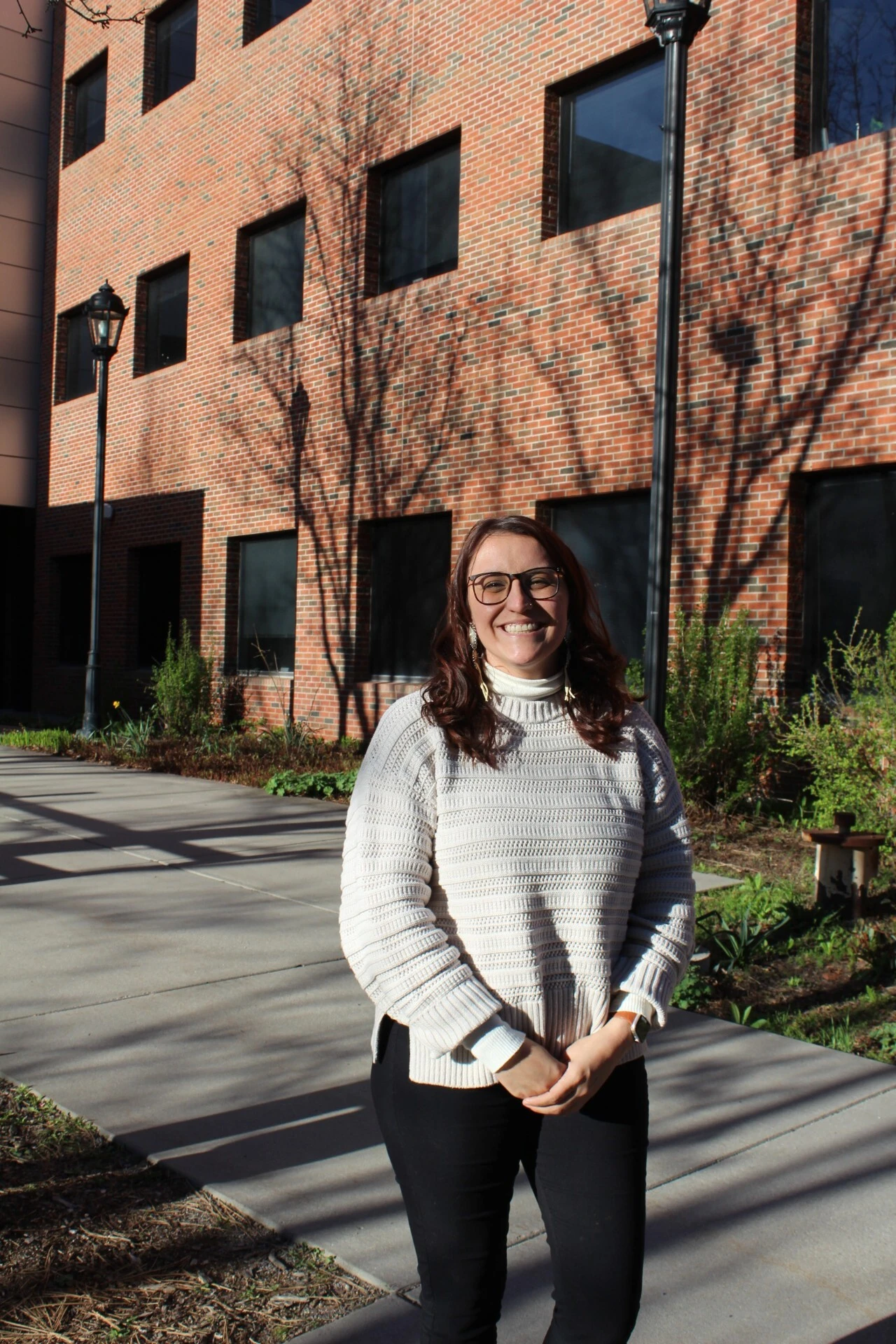 Ashton Smith
Apache Tribe of Oklahoma
University of Montana Missoula
PhD in Clinical Psychology
Ashton Smith is exploring the impact of Blackfeet tribal enrollment on Blackfeet descendants' well-being and identity as Niitsitapi. Building on a previously conducted master's project focused on Native American/Alaska Native identity, Smith aims to delve deeper into cultural connectedness and belonging within the Blackfeet community. The study will employ an Indigenous Research Paradigm grounded in Niitsitapi values and Siksikaitsitapi worldview, also using the Co-Production of Knowledge framework.
Smith has involved Blackfeet community members and elders throughout the research process, including literature review, storytelling, interpretation, and dissemination of findings, all of whom will be compensated for their time.
By approaching the research in a culturally appropriate and meaningful manner, Ashton aims to decolonize research practices and empower both themselves and their community.
Smith’s goal through this project is to “create more culturally matched and identity-safe educational spaces for [Native American/Alaska Native] children,” especially as it relates to mental health.
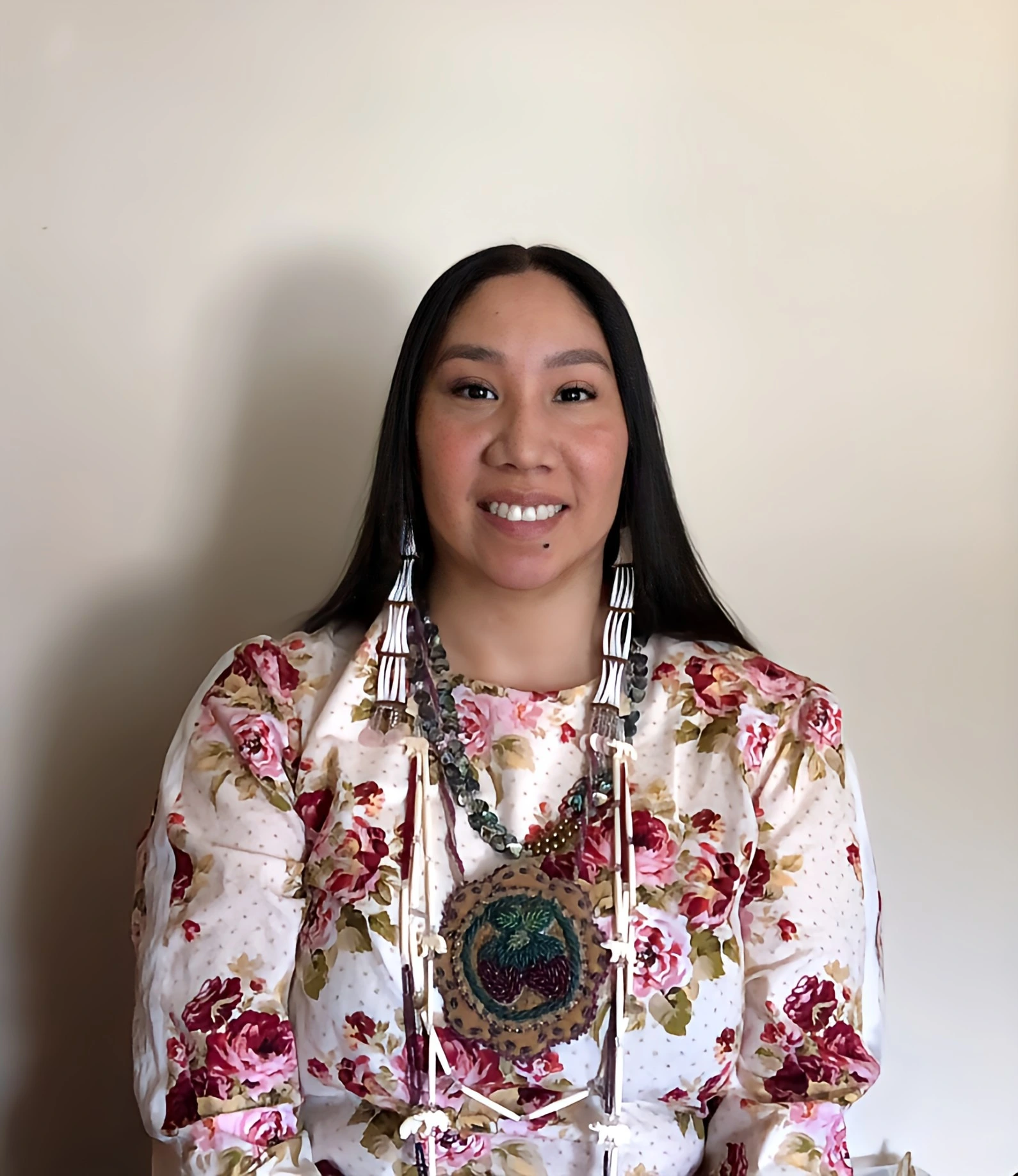 Charlotte Logan
Saint Regis Mohawk Tribe
Cornell University
PhD in American Indian/Native American Languages, Literatures, and Linguistics
Charlotte Logan’s study focuses on the linguistic analysis and documentation of the Cayuga language, a Haudenosaunee language. Logan, supported by a Cobell Summer Research Fellowship in 2021, transcribed and translated two stories in Cayuga with a fluent speaker from the Six Nations of the Grand River. Her dissertation, titled "Cayuga Particles: Evidence from Narrative and Conversational Analysis," investigates the usage of particles in Cayuga storytelling, particularly focusing on a class of particles known as evidentiality markers.
The study notes the importance of these particles in successful communication and their role in conveying nuanced meanings, particularly in oral literature. Logan’s research aims to provide a comprehensive description and theoretical analysis of these particles, making the findings accessible to both linguists and the broader community, including second language learners and teachers.
The study emphasizes the cultural significance of oral literature in Haudenosaunee traditions and highlights the risk of losing linguistic and cultural nuances as storytelling transitions from fluent speakers to second language learners. Charlotte underscores the importance of incorporating these linguistic features into language revitalization efforts to preserve the authenticity and richness of the language and its cultural heritage.
Charlotte’s ultimate goal is to “start a Language Commission within the Haudenosaunee Confederacy to carry out these goals for the next generation to allow direct consultation with Tribes.”
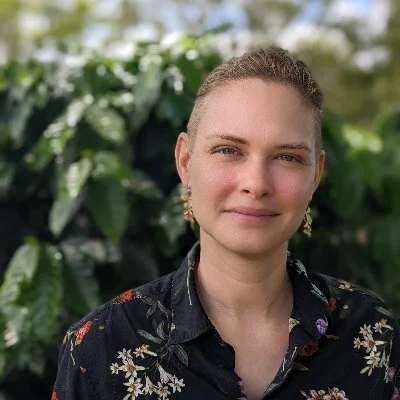 Elise Blasingame
Osage Nation
University of Georgia
PhD in Political Science and Government
Elise Blasingame’s dissertation investigates the impact of Native representation in American political institutions, focusing on elected officials, appointees, and advocacy efforts. Blasingame’s study aims to answer questions about the influence of Native policymakers on policy concerns of tribes and Native interests, their contributions to 'Indigenizing' policymaking, and the effects of increased descriptive representation for Native communities. The study also examines the public response to Native policy priorities, including potential backlash or tension between non-Native constituencies and these policy choices.
By centering the voices and actions of Native-identified politicians and using publicly available data, the study provides insights into the role of Native representation in shaping policy outcomes and public attitudes. Elise’s findings aim to inform tribal advocates on how to effectively message policy priorities to different constituencies.
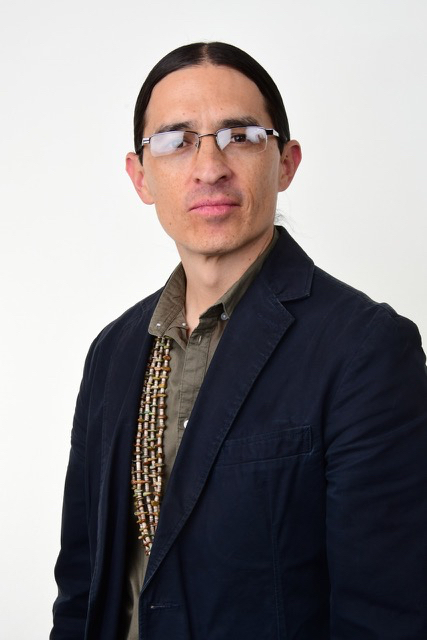 James McKenzie
Navajo Nation
University of Arizona
PhD in American Indian/Native American Education
James McKenzie’s dissertation aims to explore the implementation and impact of schooling that focuses significantly on Diné (Navajo) language, culture, and lifeways. It acknowledges the historical context of education for Indigenous peoples in North America, which often aimed to assimilate them into dominant culture. The study seeks to understand the key elements, challenges, and successes of schools emphasizing Diné language and culture, as well as the motivations behind choosing such schooling. He utilizes Critical Indigenous Qualitative Research, Safety Zone Theory, Tribal Critical Race Theory, and Red Pedagogy as theoretical frameworks. The research methodology includes interviews, collaborative talking circles, observations, and analysis of various sources, emphasizing community involvement and validation. The project aims to provide a resource that amplifies Indigenous voices and supports Indigenous self-determination in education, specifically contributing to Diné and Indigenous language and culture revitalization efforts.
James reflects on the legacy of Elouise Cobell as it pertains to his work, saying “My deep reconnection to Diné language, culture, and knowledge, fuels my persistence for their maintenance and revitalization, despite ongoing assimilative structures of western education and mainstream society. Like Cobell, my life calling is to effect transformative change, working with and for Indigenous peoples. Using my academic, professional and community background, I plan to lead visioning, strategizing and action to make radical, revitalizing change to see our languages and cultures nurture new generations of whole Indigenous peoples. My training and experience will help me theorize and facilitate (re)conceptualizing and transforming policy and educational systems and will help me bring people together to grow a movement, change that will transcend generations, much as Cobell’s efforts did. Even if the change is not seen in my lifetime, I cannot, I will not give up.”
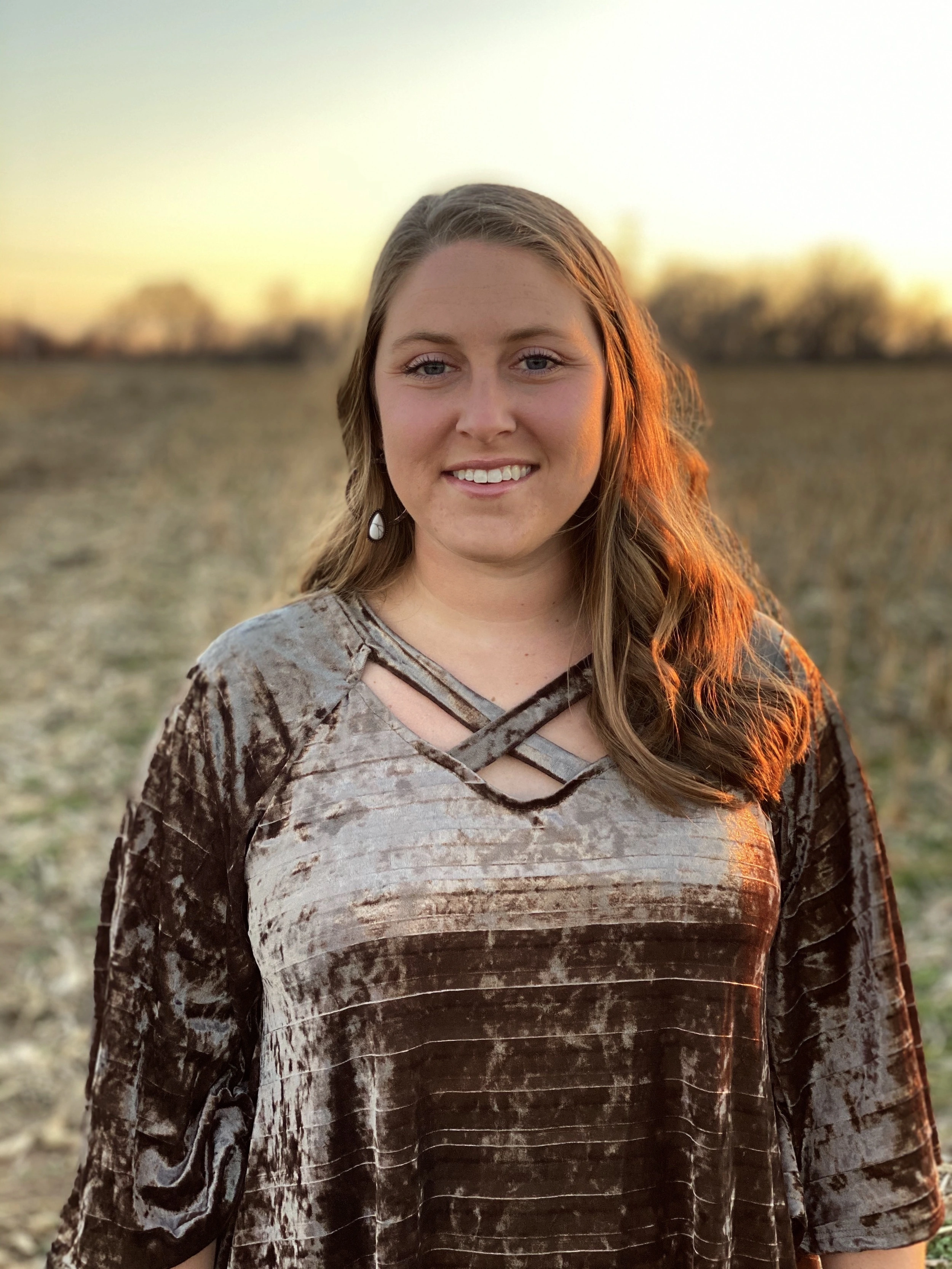
Kirby Parnell
Cherokee Nation
University of Hawaii Manoa
PhD in Marine Biology and Biological Oceanography
Kirby Parnell’s dissertation explores various aspects of Hawaiian monk seal (HMS) behavior and conservation efforts. The study records underwater vocalizations of free-ranging HMS over 307 days at five critical habitats. It analyzes passive acoustic data to detect and categorize vocalizations and describe temporal patterns in calling behavior. The research identifies previously described call types and documents a significant difference in vocalizations between day and night at two sites. Additionally, it highlights the overlap between anthropogenic and biological sounds with HMS vocalizations, suggesting potential masking effects. Parnell’s research includes instrumenting HMS with biologging tags to understand their underwater behavior and assess their responses to anthropogenic sounds.
Through this research, Parnell also assists in SMMILE (Summer Marine Mammal Intensive Learning Experience), a 10-day educational program designed for high school juniors and seniors from Hawaiʻi. It aims to increase diversity within the field of marine mammalogy through field trips, lectures, activities, trainings, and peer bonding. Successfully implemented in 2022 and 2023, SMMILE has received funding through NOAA’s Bay Watershed Education and Training program to run again in Summer 2024 and 2025. After the completion of her doctorate, Kirby aspires to continue teaching young people, colleagues, and community partners about the importance of ocean conservation through free educational programs, like SMMILE.

Krista Boston
Choctaw Nation
Oklahoma State University
PhD in Educational Leadership and Policy Studies
Krista Boston’s dissertation focuses on understanding the experiences of Native college students at non-Tribal Colleges/Universities in Oklahoma who have been affected by addiction and substance abuse in their personal relationships. Boston aims to conduct qualitative interviews with current full-time American Indian college students, gathering data through semi-structured interviews, surveys, and follow-up writing prompts. Her study uses an emergent design, and she plans to incorporate Indigenous Research Paradigm a posteriori. The detailed lived experiences gathered from this research are expected to inform institutions about the barriers Indigenous students face and guide the development of culturally competent programming to support these students in their post-secondary education.
Boston hopes to help inform institutions on how to best create safe spaces on campus that will provide support to affected students, so to help break intergenerational cycles of substance abuse and addiction. Krista indicated that “conducting research on this population of Indigenous students will hopefully bring greater awareness to this hidden population and help Native students and Indigenous communities.”
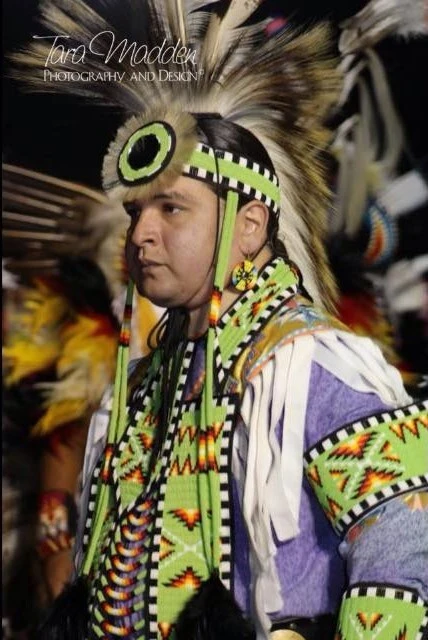 Mark Bolin
Cherokee Nation
Oklahoma State University
PhD in History
Mark Bolin’s dissertation delves into the significance of Indigenous biographies as windows into Native American social, cultural, and political history in the United States. He acknowledges the complexities of crafting Indigenous biographies, influenced by political biases and societal norms of the era. Drawing from scholars like Nigel Hamilton and David H. Burton, who emphasize the role of biography in understanding history, Bolin’s study highlights the importance of contextualizing biographies within broader historical, cultural, and environmental contexts.
Focusing on Wes Studi, a prominent figure in the entertainment industry and a symbol of Indigenous representation in film, Mark explores Studi’s life story as a lens into modern Native American history. From his upbringing in a traditional Cherokee household to his experiences in the United States Army and involvement in the American Indian Movement, Studi's life journey offers insights into the challenges and triumphs of Indigenous peoples in contemporary America. By examining Studi's life in detail, Mark aims to illuminate broader themes and events in Native American history, providing a more nuanced understanding of the struggles and resilience of Indigenous communities. Bolin seeks to bring Studi's story to a wider audience, fostering a deeper appreciation for the complexities of Native American experiences and their ongoing impact on American society.
Mark says, “I want to join the emerging community of Native scholars that are writing our history from utilizing what Philip Deloria calls, "the Native Voice." Native American people are finally being recognized and given more opportunities in the modern American society in all areas from science to sports. I want to make my small contribution to history by providing unique historical writing in the field and help Native and non-Native students understand our history from our perspective.”
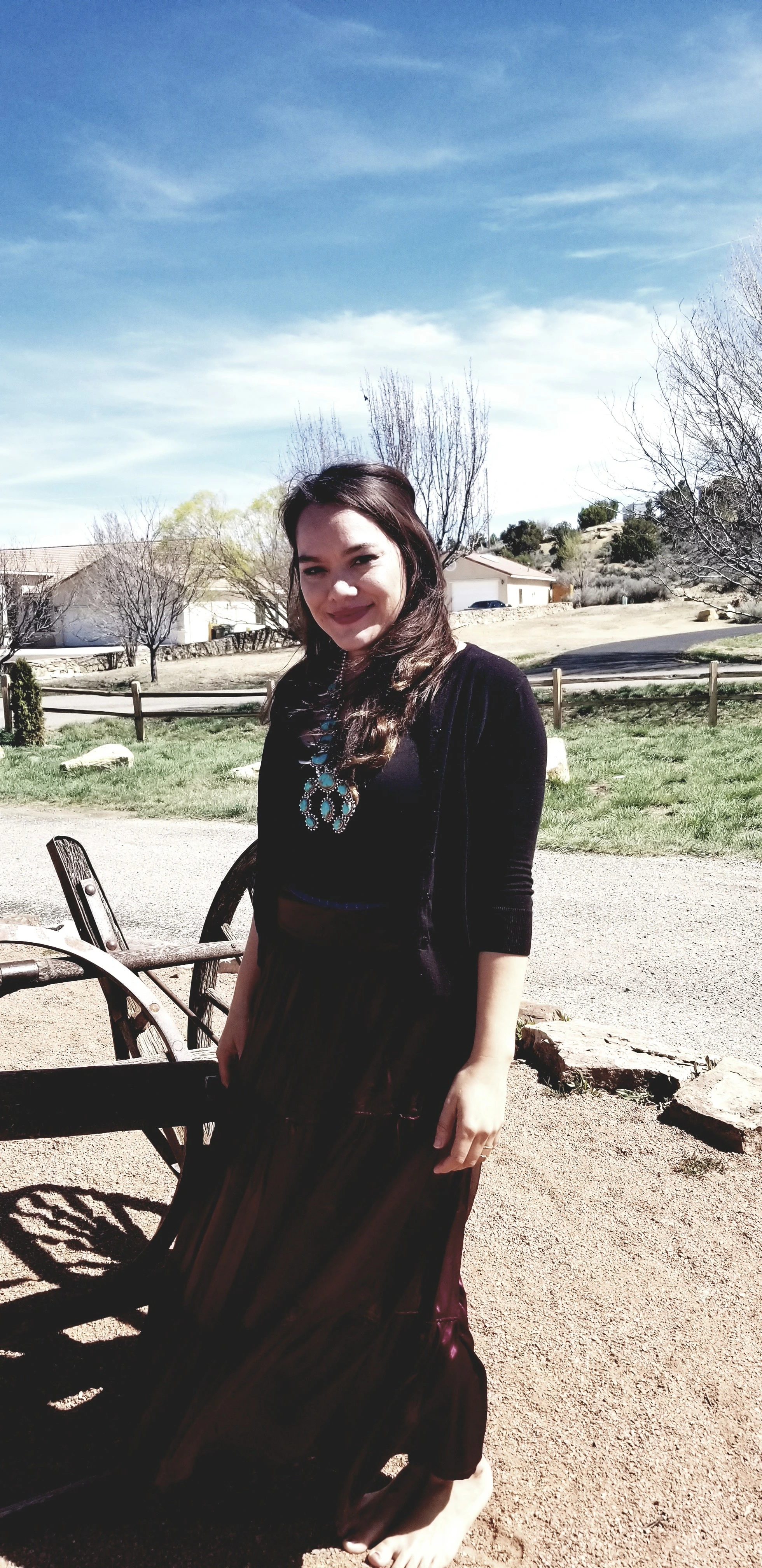
Racheal Killgore
Navajo Nation
Utah State University
PhD in Clinical Psychology
Racheal Killgore’s dissertation focuses on the prevalence and impacts of dating violence among Native American youth, a topic underrepresented in existing literature. It highlights the high rates of violence exposure among American Indian adolescents and its long-term implications for mental health and romantic relationships. The research aims to address this gap by utilizing the National Longitudinal Study of Adolescent to Adult Health dataset in a multi-paper dissertation.
Killgore examines the effects of dating violence experienced during adolescence on subsequent romantic relationships among Native American young adults. Specifically, Racheal will explore perpetration and victimization in romantic relationships and investigate the potential moderating effects of school and family belongingness, as well as mentorship. She then will focus on the adolescent experience of violence and its effects on mental health outcomes in adulthood, particularly depression, self-esteem, and suicidality. It also explores whether participation in sports during high school moderates this relationship.
Killgore aims to inform interventions and prevention programs for adolescents who have experienced violence, while also highlighting the potential benefits of sports participation and belongingness in promoting positive mental health and relational outcomes among Native American youth. Racheal indicated that it is “particularly important for Native American researchers, as opposed to Non-Native researchers, to move forward with care on these topics and provide solutions and prevention insights rooted in our own experiences.”
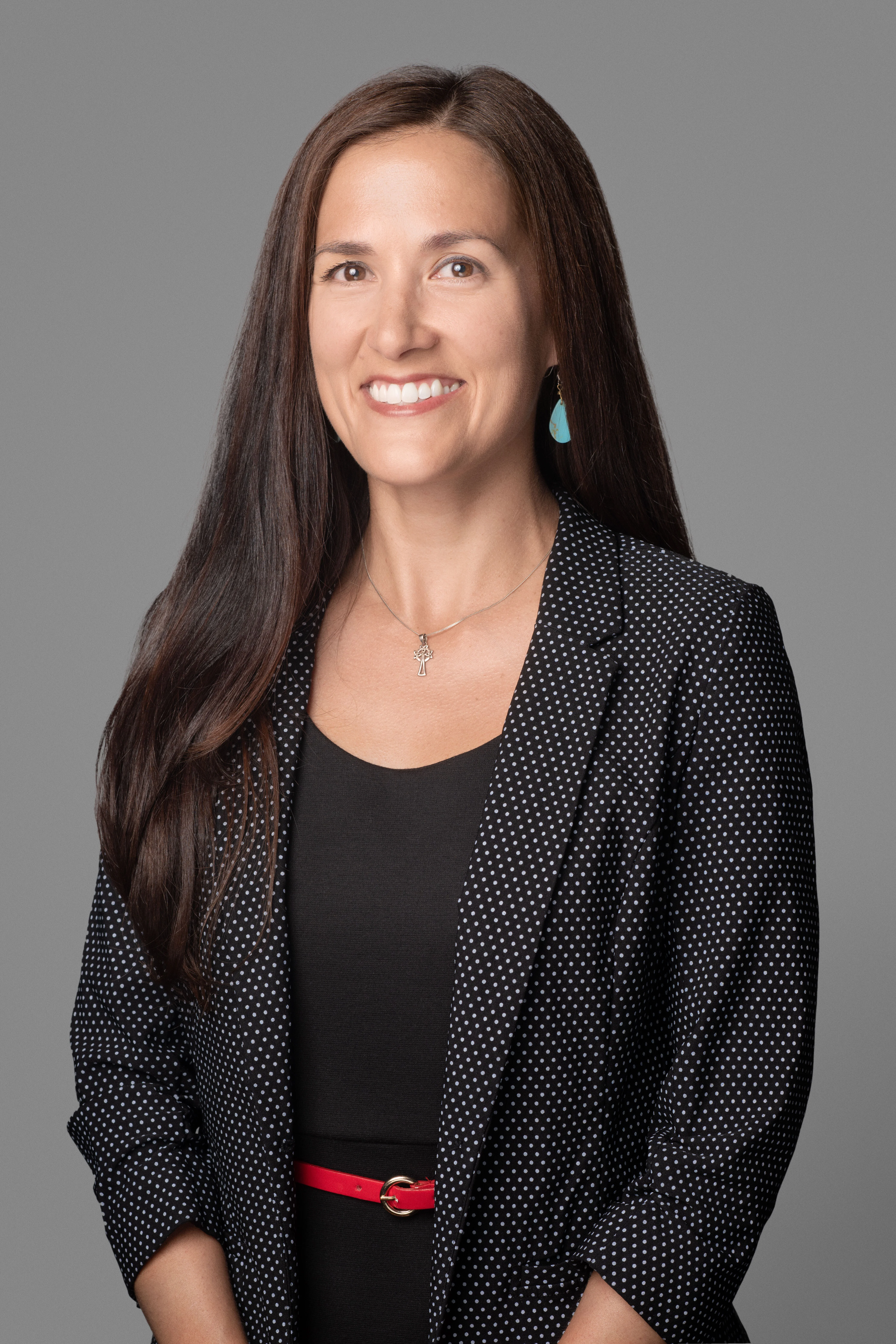 Susannah Walker
Little Traverse Bay Bands of Odawa Indians
University of Regina
PhD in Public Policy Analysis
Susannah Walker’s dissertation focuses on Indigenous mental health, particularly through a land-based intervention with on-reserve Indigenous youth. Her research aims to explore culturally appropriate active living strategies to enhance holistic well-being.
Shawn Wilson's "Research is Ceremony," influences her theoretical perspective, adapted into an Odawa worldview to ground her work in her own language and culture. Walker aims to contribute to policy discussions by highlighting the impact of cultural programming and land-based education on Indigenous youth. Through this work, Susannah seeks to contribute to Indigenous mental health research and policy while honoring cultural heritage and language. Susannah strives to be a role model through her academics and experience as a social worker. She said, “When teaching my Indigenous social work students about inequality, I tell them that striving for justice is not only part of our career mandate, it is a moral obligation we have to those with less power. We must use our privilege and education to seek change and speak truth to power. This aligns with our core teaching to be a good relative. I want my positive impact in Indigenous mental health to be inspiring students by showing them the value in Indigenous research methods and the benefits to Indigenous communities.”
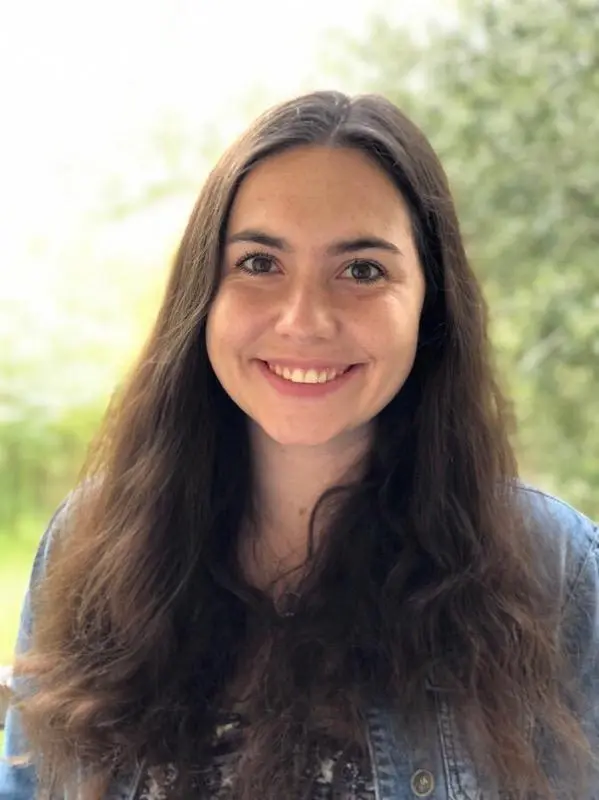 Zada Ballew
Pokagon Band of Potawatomi Indians
University of Wisconsin Madison
PhD in United States History
Zada Ballew’s dissertation delves into the business history of the Pokagon Band of Potawatomi Indians from the 1820s to the present day, aiming to understand the nation's history and its social welfare system. Zada argues that the Pokagon Band has engaged in what she calls the "business of tribal nationalism," acting on behalf of their "company of kin" since the early nineteenth century. The study builds on existing scholarship on Indigenous participation in the American economy and is grounded in Pokagon Potawatomi archives, using documents, stories, artifacts, pamphlets, and meeting minutes from the Pokagon Potawatomi Business Committee.
Each chapter analyzes a negotiation between the Pokagon Band and the United States. Chapter 1 examines the founding and decline of Pokagon Village, revealing the origins of the tribe's commitment to their ancestors and descendants. Chapter 2 follows the formation of the Pokagon Potawatomi Business Committee, a governing body that ensured treaty-guaranteed annuity payments. Chapter 3 explores pivotal moments in the tribe's history, including the settlement of past-due annuity payments and the pursuit of unceded territory in Chicago. Chapter 4 considers responses to the Indian New Deal and federal nonrecognition, while the final chapter examines struggles for federal recognition and major business developments since the 1990s.
Ballew argues that the Pokagon Band's business history offers a model for redistributive economic justice, emphasizing the tribe's strategy of redistributing national wealth to its citizens. Through per capita payments and social programs, the tribe challenges traditional notions of wealth accumulation and advocates for equitable distribution of profits among its people. This approach, termed "mno-bmadsen," represents a commitment to the "good path to good business" according to the Pokagon Band of Potawatomi.
While conducting research and writing her dissertation, Ballew intentionally uses Bodwéwadmimwen words to keep their language alive, and to “return stories to [her] tribe that have been taken.”
About the Elouise Cobell Dissertation Writing-Year Fellowship
All applicants must be enrolled full-time and plan to spend the majority of their award year writing and defending their dissertation. Writing-Year Fellowships will be awarded in a national competition administered by Indigenous Education, Inc. on behalf of the Cobell Scholarship Program. The awards will be made to individuals who, in the judgment of the review panel, have demonstrated superior academic achievement, are committed to a career in their discipline, show promise of future achievement as scholars and leaders, and who may use Indigenous research and/or methodologies as a resource for enriching their field of study, their tribal community, and/or their college/university.
Additional awardee requirements of the Writing-Year Fellowship include attending the Four-Day Cobell Fellowship Symposium held in July, participating in graduate scholar coaching sessions provided by the Fellowship Program, attending eleven monthly virtual meetings following the Symposium via Cobell Community, and, submitting a six-month progress summary to the Fellowship Program via OASIS.
Prerequisites for this award also include being an enrolled member of a U.S. Federally recognized American Indian or Alaska Native tribe, a full-time student during the period of the award, completed all requirements for a doctoral degree except for writing and defense at the time of award and must be first doctoral degree of any kind, at any time, in any field (professional doctorates (Psy.D., M.D., D.O., O.D., J.D., etc.) do not qualify for this fellowship award).
Combination academic doctorates such as Ph.D. with M.D. and Ph.D. with J.D. will be considered on a case-by-case basis upon review of a completed application.
About the Cobell Scholarship Program, Indigenous Education, Inc.
Created in 2016 for the express purpose to administer the Cobell Scholarship Program, Indigenous Education, Inc. provides elevated opportunities for Native college students through empowering them with an impactful scholarship experience designed to support their success in higher education. The overarching mission and vision of Indigenous Education, Inc. is to support American Indian and Alaska Native student success. Since the program’s beginning, it has supported over 5,000 students with more than $50,000,000 in scholarships. To learn more about IEI and the Cobell Scholarship, visit cobellscholar.org.