
2024 Cobell Graduate Summer Research Fellows Announced
Indigenous Education, Inc. (IEI) announces the 2024 recipients of the distinguished Cobell Graduate Summer Research Fellowship administered on behalf of the Cobell Board of Trustees.
Five fellows from a highly competitive pool of over 100 graduate applicants were selected for the eighth Summer Research Fellowship cohort, each receiving $5,000. “Every year, IEI looks forward to reviewing the applications. We recognize the students are in their final phases of their graduate programs and need support to cross the finish line. It’s such an honor and inspiration to witness their work and dedication.” said Melvin Monette-Barajas, CEO of IEI.
The fellowship supports high achieving student researchers who might not otherwise have access to funds for research and related activities during summer months. Research fellows receive a $5,000 stipend to offset remaining costs associated with their final research projects. During the Fellowship period, scholars receive direct guidance from their faculty research advisor and support from the Director of Research and Student Success at Indigenous Education, Inc. Cobell Summer Research Fellows enjoy opportunities to network with other Fellows across the world and engage in future Fellowship activities as new cohorts are selected. “We are excited to continue supporting Native scholars representing a variety of tribes and working to indigenize higher education in their respective academic fields,” added Monette-Barajas.
Continue reading to learn more about the 2024 Cobell Graduate Summer Research Fellows. Applications for our ninth cohort of 2025 Cobell Summer Graduate Research Fellows open on September 1, 2024.
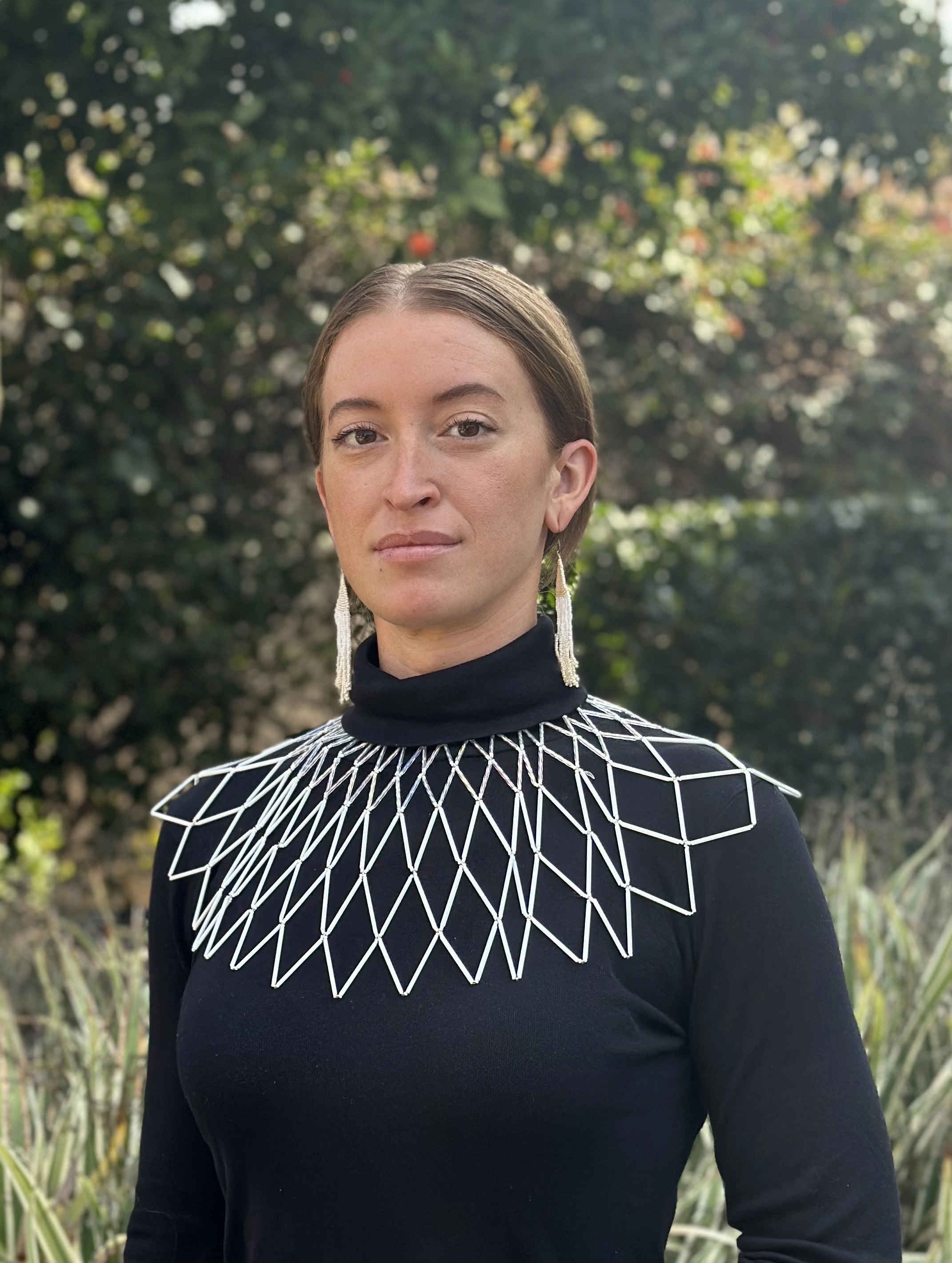 Cobell Fellow: Cheyenne Caraway
Tribal Affiliation: Choctaw Nation
Institution: University of California Los Angelas
Degree: Master’s – Conservation of Cultural Heritage
Bio: Cheyenne Caraway epitomizes the essence of dedication and expertise in the realm of cultural preservation and heritage conservation. Currently pursuing her Master's Degree in Conservation of Cultural Heritage at the University of California, Los Angeles, Cheyenne's academic journey is deeply rooted in her passion for anthropology and studio art, cultivated during her undergraduate years at Fort Lewis College.
A rich tapestry of hands-on experiences complements her academic pursuits garnered through internships at renowned institutions such as the Autry Museum of the American West and the J. Paul Getty Post Baccalaureate Internship in Conservation. These experiences have not only honed her skills in fine arts conservation but have also provided her with invaluable insights into the complexities involved in preserving our cultural treasures.
Cheyenne's commitment to continuous learning is evident in her extensive list of affiliations and attendance at conferences and symposiums. Her involvement spans organizations such as the American Alliance of Museums and the International Institute for Conservation of Historic and Artistic Works, reflecting her broad-ranging interests and dedication to staying at the forefront of her field.
Recognized for her outstanding achievements, Cheyenne has received several prestigious awards and scholarships, including the Bertha Parker Cody Scholar from the Society for American Archaeology and the Getty Conservation Fellow from the J. Paul Getty Foundation.
As she delves into her thesis, titled 'Color Stability Analysis of Natural Dyes on Rivercane and Commercial Reed in Choctaw Basketry,' Cheyenne seeks to provide tangible insights that will benefit Choctaw weavers and institutions alike. Her research aims to address critical questions regarding color stability and lightfastness, with implications for exhibition standards and traditional dyeing practices.
Cheyenne Caraway emerges as a trailblazer in the field of conservation and cultural heritage, driven by her passion for preserving our shared heritage and fostering collaboration within the conservation community. With her unwavering dedication and profound expertise, she is poised to make a lasting impact on the field for years to come.
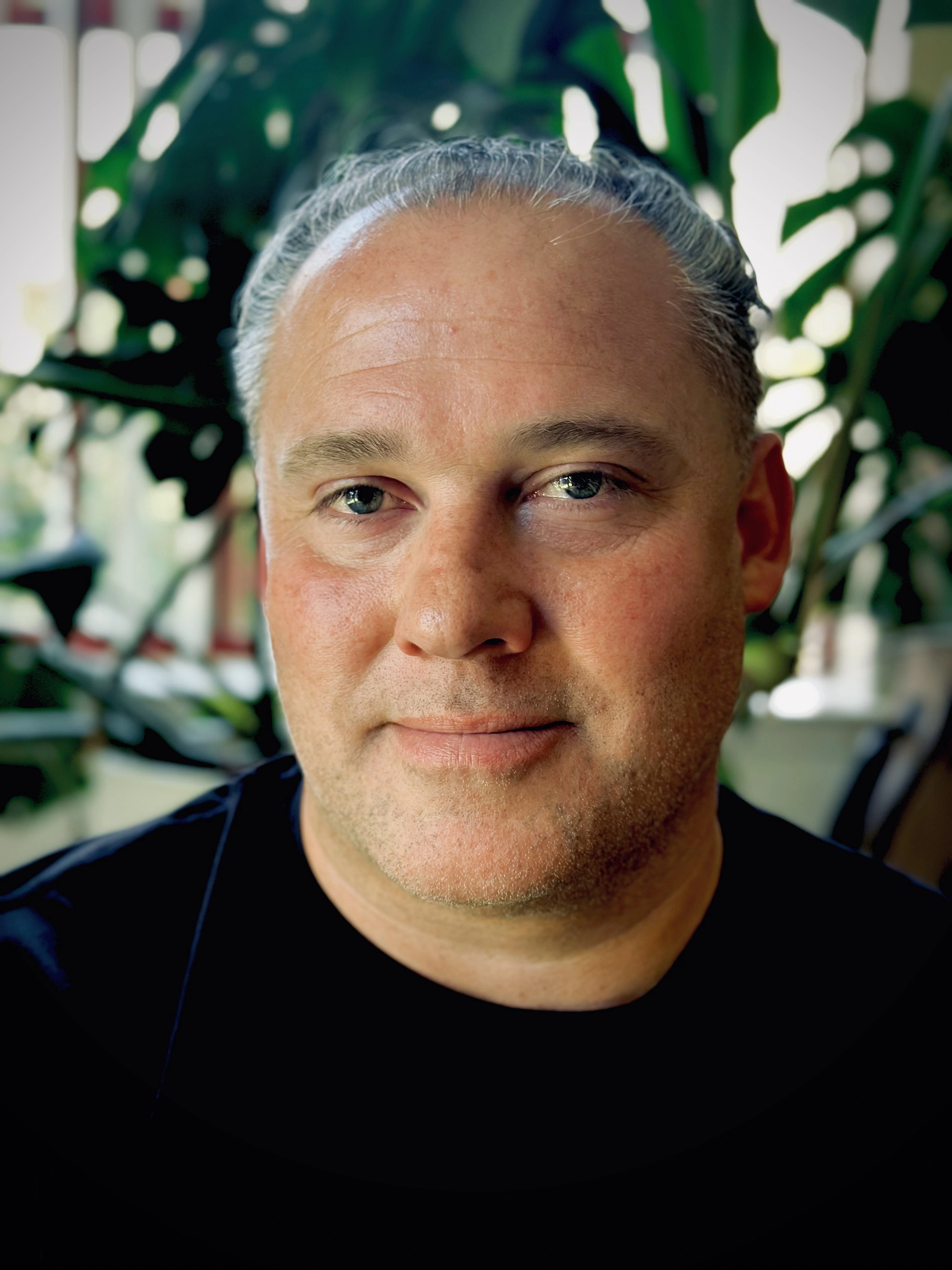 Cobell Fellow: Connor Magee
Tribal Affiliation: Pala Band of Luiseno Mission Indians
Institution: University of California Davis
Degree: PhD – Ecology
Bio: Connor P. Magee embodies a profound commitment to conserving, restoring, and managing Southern Californian Natural and Working Lands. Through his roles at esteemed institutions such as the Climate Science Alliance and the UC Davis Institute of the Environment, Connor has emerged as a leader in supporting climate adaptation and mitigation strategies within ecosystem stewardship. Grounded in his Pala Tribal heritage (Payomkawichum/Cahuilla), Connor seeks to merge Traditional Ecological Knowledge with modern technologies to address contemporary environmental challenges.
Connor is currently pursuing a Doctorate in Philosophy (Ph.D.) in Ecology at the University of California, Davis, Connor obtained his Bachelor of Science in Sustainability Studies from the University of California, Riverside, with a minor in Geology. His coursework reflects a holistic approach to environmental studies, including Restoration Ecology, Global Climate Change, and Environmental Ethics.
Connor's professional journey is characterized by hands-on research and collaborative endeavors aimed at promoting sustainable environmental practices. As a Graduate Student Researcher at UC Davis, he leads community convenings and coordinates with research groups to address Tribal science needs for ocean and coastal resilience. Additionally, his work in Native American Studies involves researching USDA-Forest Service partnerships and policy instruments supporting Indigenous stewardship.
Connor's dedication and contributions to environmental stewardship have been recognized through various honors and awards. From prestigious fellowships such as the University of California, Davis Graduate Research Mentorship Fellowship to scholarships like the Cobell Scholarship and Pala Tribal Scholarship, Connor's achievements underscore his commitment to academic excellence and community engagement.
In their interdisciplinary work, Connor P. Magee combines ecology and environmental policy, grounded in the prioritization of Indigenous voices in Southern California homelands. Their dissertation work encompasses ecology, state and federal conservation policy, and transformative adaptation, aiming to inform conservation efforts amidst climate change while amplifying Tribal perspectives for enhanced conservation, climate adaptation, and community resilience. Connor intends to disseminate their research findings beyond their dissertation by producing peer-reviewed articles and contributing to the literature on Indigenous stewardship practices in California and beyond. Additionally, they aim to establish a community-based framework that can empower Indigenous peoples to reclaim their ancestral role as the original stewards of their homelands.
With a passion for integrating Traditional Ecological Knowledge with contemporary science, Connor is poised to continue making significant strides in environmental stewardship for generations to come.
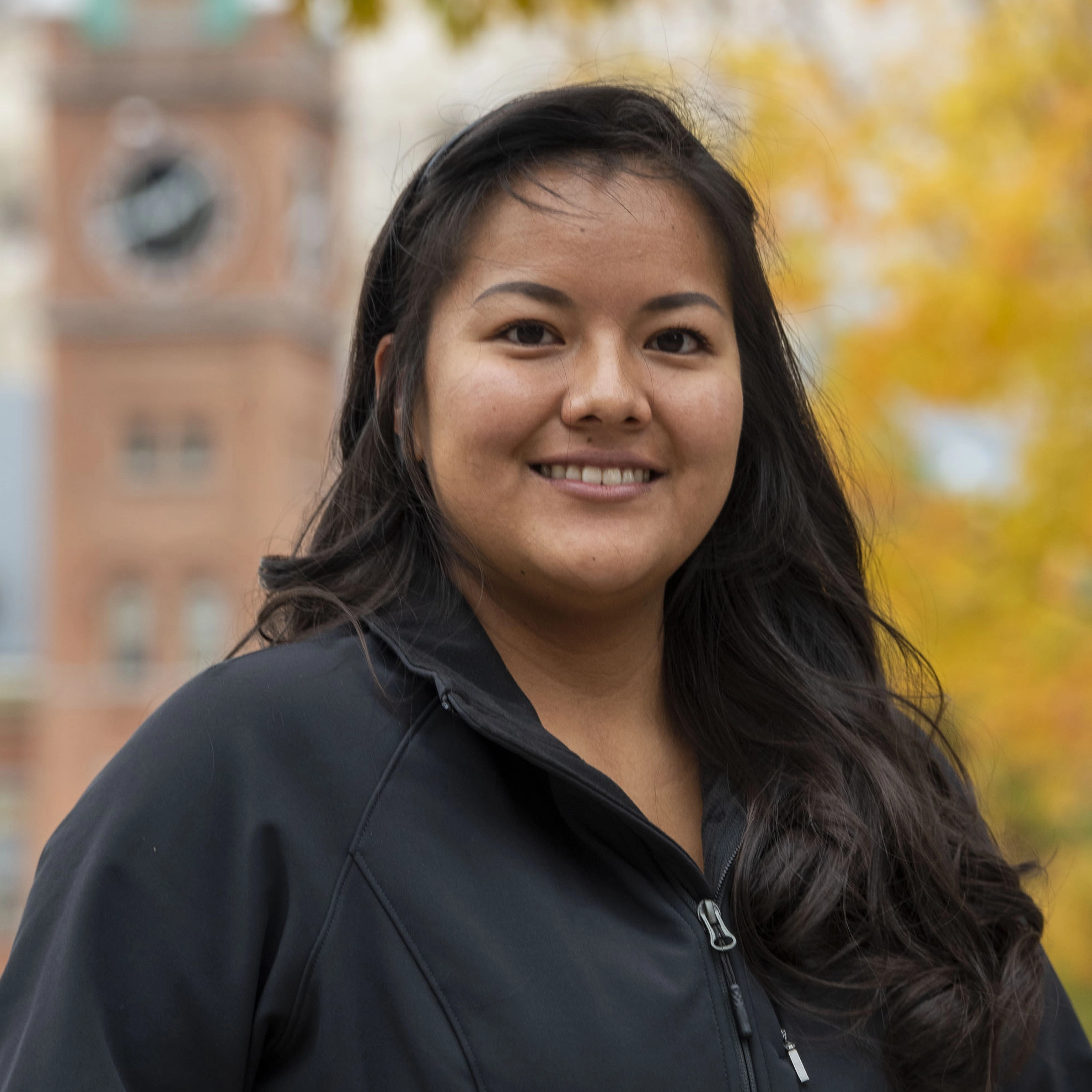 Cobell Fellow: Nicole Benally
Tribal Affiliation: Navajo Nation
Institution: University of Montana
Degree: PhD – Forestry and Conservation
Bio: Nicole A. Benally is a Dine’ (Navajo) Tribal member and a doctoral candidate at the University of Montana (UM), specializing in Forest and Conservation. She is expected to complete her Ph.D. by May 2025. Her dissertation, titled "What are the challenges and opportunities for asserting Tribal and Indigenous Food Sovereignty (TIFS) during the Self-determination era (1975 to present) within the Navajo Nation through their Tribal College and University (TCU) campuses?". Nicole earned her M.S. in Agronomy from Purdue University in December 2018, where her thesis focused on soil health improvements through cover crop usage. She completed her B.S. in Agriculture at New Mexico State University in May 2016.
Nicole has an extensive teaching background, serving as a guest lecturer at UM since 2021. Her lectures cover various aspects of Indigenous and Tribal Food Sovereignty and Indigenous perspectives on hunting. She has also been a teaching assistant at Purdue University, where she taught and tutored students in Introduction to Soils, and at UM, where she supported Native graduate students and helped establish the Native Graduate Student Association.
As a research assistant for NSF UM BRIDGES, Nicole is engaged in exploring Indigenous Food Sovereignty and the role of 1994 Tribal Land-grant Colleges and Universities. Her previous research at Purdue involved collaboration with the Conservation Cropping Systems Initiative to enhance soil health across Indiana's croplands.
Nicole’s scholarly contributions include her thesis, “Soil Aggregation and Soil Carbon Measurements to Assess Cover Crop Improvements to Soil Health in Indiana,” published by Purdue University Graduate School. She has also created an ArcGIS StoryMap titled “Food Sovereignty and Tribal Colleges and Universities,” showcasing her research findings.
Currently, Nicole is working on two books: “From this Rez Kid,” an autobiography reflecting on her childhood on the Navajo Reservation and her academic journey, and “What Can I Be When I Grow Up?” a children’s book that presents inspiring stories of Indigenous youth pursuing higher education and vocational training.
Nicole’s academic excellence and commitment to Indigenous issues have earned her numerous honors and awards. These include the Tribal Agriculture Fellowship, the Alfred P. Sloan Foundation Indigenous Partnership Fellowship, and the Bill and Melinda Gates Millennium Scholarship. She has also been recognized with the UM Leadership & Service in Diversity, Equity, Inclusion, & Justice award and several other scholarships and grants.
Nicole A. Benally’s work stands at the intersection of academic rigor and community advocacy, reflecting her deep commitment to advancing Indigenous knowledge and sovereignty. Her contributions to education, research, and public discourse continue to inspire and pave the way for future generations of Indigenous scholars and leaders.
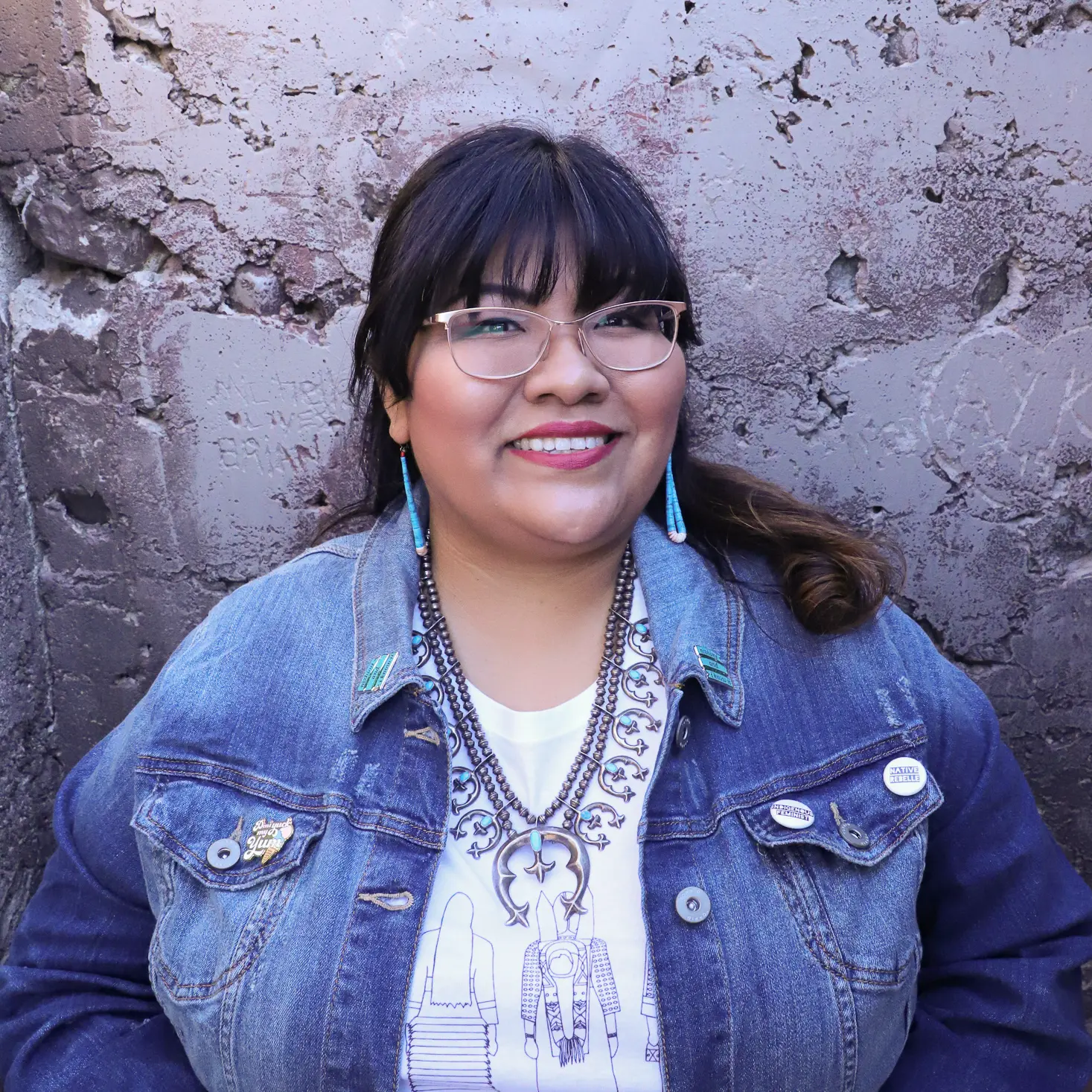 Cobell Fellow: Nicolet Deschine Parkhurst
Tribal Affiliation: Standing Rock Sioux
Institution: Arizona State University
Degree: PhD – Justice Studies
Bio: Nicolet Deschine Parkhurst stands as a prominent figure in the realm of Indigenous studies and activism. An enrolled member of the Standing Rock Sioux Tribe, Parkhurst has dedicated her academic and professional life to amplifying Indigenous voices and advocating for their rights and sovereignty. Her journey through higher education and research highlights a deep commitment to justice, social transformation, and community empowerment.
Parkhurst's academic path is as diverse as it is impressive. She is currently pursuing dual Ph.D. degrees—one in Justice Studies from Arizona State University (ASU) and another in Indigenous Studies through a cotutelle program at Macquarie University in Sydney, Australia, both expected to be completed by May 2025. These programs reflect her interdisciplinary approach to understanding and addressing issues Indigenous communities face.
Her earlier educational achievements include a Master of Public Policy (M.P.P.) from ASU's School of Public Affairs in 2017, a Master of Social Work (M.S.W.) with a concentration in Policy, Administration, and Community Practice from ASU's School of Social Work in 2010, and a Bachelor of Science in Family Resources and Human Development from ASU in 2003.
Parkhurst's research interests are deeply rooted in Indigenous activism and community engagement. She focuses on American Indian activism, social media and digital studies, tribal sovereignty, Indigenous human rights, federal Indian law and policy, health disparities, and education. Her work often employs community-engaged participatory research methods and seeks to decolonize traditional academic paradigms.
Her dissertation explores Indigenous perceptions of social change through social media, specifically examining the #NoDAPL movement. This movement, which protested the Dakota Access Pipeline, showcased the power of social media in mobilizing Indigenous communities and drawing global attention to their struggles.
Parkhurst's professional and teaching experiences further illustrate her dedication to Indigenous issues. At Macquarie University, she tutored in the Master of Indigenous Education Program, teaching a graduate course on Indigenous Research Theory and Practice. At ASU, she served as a Faculty Associate at the Center for Indian Education, where she taught courses on Learning Technologies in Native Education.
Her scholarly excellence has been recognized through numerous awards and honors. These include the International Cotutelle Macquarie University Research Excellence Scholarship and several travel awards from ASU and the Association of Internet Researchers. In 2022, she received the Highly Commended Student Paper Award from the Association of Internet Researchers for her paper on mutual aid in Indigenous communities.
Parkhurst is actively involved in several professional organizations, including the Association of Internet Researchers, the Native American Indigenous Studies Association, the Society for Social Work and Research, and the American Indian Science & Engineering Society.
Nicolet Deschine Parkhurst's work exemplifies the intersection of academia and activism. Her contributions to Indigenous studies and her efforts to promote justice and social change underscore her commitment to her community and to the broader goal of decolonizing education and research. As she continues her academic journey, Parkhurst remains a powerful advocate for Indigenous rights and a beacon of resilience and hope for future generations.
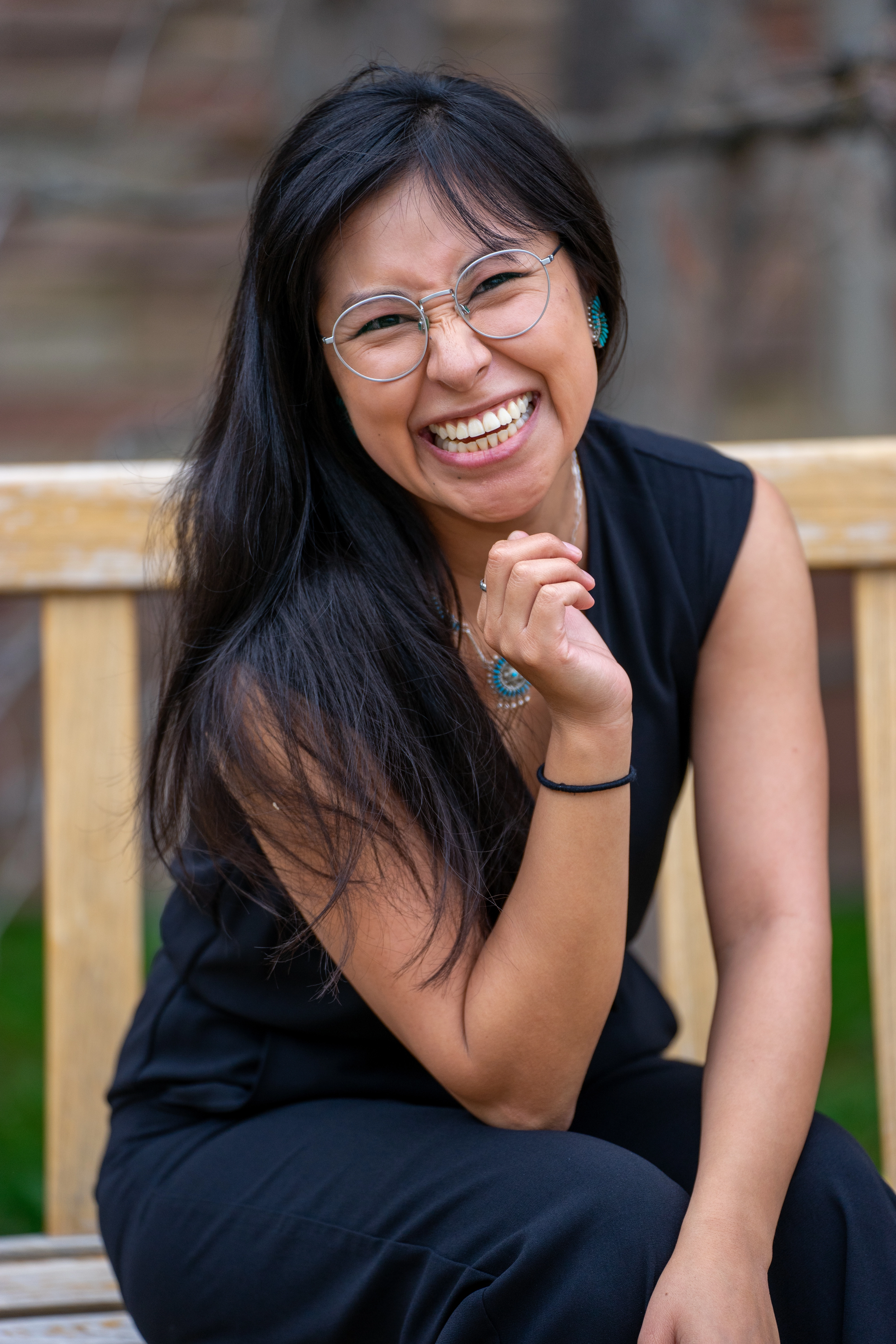 Cobell Fellow: Saydie Sago
Tribal Affiliation: Mescalero Apache
Institution: University of Colorado - Boulder
Degree: PhD – Physiology
Bio: Saydie A. Sago is a dedicated researcher and advocate, deeply committed to advancing Indigenous health and integrative physiology. With a robust educational background and a passion for addressing health disparities in Native American communities, Sago's work is both impactful and inspiring. Sago's academic journey began at the University of Colorado Boulder, where she earned her B.A. in Biological Science with a concentration in Molecular, Cellular, and Developmental Biology in 2016. She also pursued a minor in the Study and Practice of Leadership with the Ethnic Living and Learning Community, highlighting her commitment to leadership and community engagement.
Continuing at the University of Colorado Boulder, Sago completed her M.S. in Integrative Physiology in 2021 and is currently pursuing a Ph.D. in the same field. Her graduate research, conducted in the Behavioral Neuroendocrinology Lab under the guidance of Professor Christopher Lowry, explores the intersection of neuroendocrinology and Indigenous health, with a focus on behavioral and physiological responses to stress and inflammation.
Throughout her academic career, Sago has received numerous prestigious awards and scholarships, reflecting her excellence in research and dedication to Indigenous health. These include the American Indian College Fund Sovereign Nation Endowed Scholarship, the American Indian Education Foundation, and the Beverly Sears Flower Family Research Fellowship. She also receives the Achievement Reward for College Scientists (ARCS) Foundation Scholarship and the Native Forward Post-Graduate Science Scholarship.
Her work has been further recognized with fellowships and grants, such as the Northwest Native American Research Center for Health Fellowship and the Cobell Summer Graduate Fellowship. These accolades underscore her commitment to advancing research in Indigenous health and her role as a leader in her field.
Sago's leadership extends beyond the laboratory. She serves as the President of Engagement for the CU Boulder Graduate and Professional Student Government and is an active member of various advisory and mentorship programs. As a Graduate Mentor in Dr. Lowry’s Behavioral Neuroendocrinology Lab and a Research Mentor for the CU Boulder STEM Routes Uplift Program, Sago provides guidance and support to fellow students, fostering a collaborative and inclusive academic environment.
Sago's Summer research is deeply personal and driven by her experiences within her own community. Her summer research project focuses on the healthcare challenges faced by Native American and Indigenous communities, particularly in relation to type 2 diabetes (T2D). She investigates the potential of using the soil-derived bacterial strain Mycobacterium vaccae as a novel intervention for preventing and treating T2D. Her work explores how inflammation and gut microbiome dysbiosis contribute to T2D and related comorbidities, such as cognitive impairment and psychiatric disorders.
By examining the role of inflammatory exosomes and the impact of M. vaccae on reducing inflammation, Sago aims to develop culturally appropriate and effective interventions for Indigenous populations. Her research has the potential to significantly improve health outcomes and quality of life for Native American and Indigenous communities.
Saydie A. Sago is a remarkable scholar and advocate whose work bridges the gap between scientific research and community health. Her dedication to improving Indigenous health through innovative research and leadership exemplifies her commitment to making a lasting impact. As she continues her Ph.D. journey, Sago remains a beacon of hope and inspiration for her community and the broader field of integrative physiology
About Cobell Scholarship Program, Indigenous Education, Inc.
Created in 2016 for the express purpose to administer the Cobell Scholarship Program, Indigenous Education, Inc. provides elevated opportunities for Native college students through empowering them with an impactful scholarship experience designed to support their success in higher education. The overarching mission and vision of Indigenous Education, Inc. is to support American Indian and Alaska Native student success. Since the program’s beginning, it has supported over 5,000 students with more than $50,000,000 in scholarships. To learn more about IEI and the Cobell Scholarship, visit cobellscholar.org.