
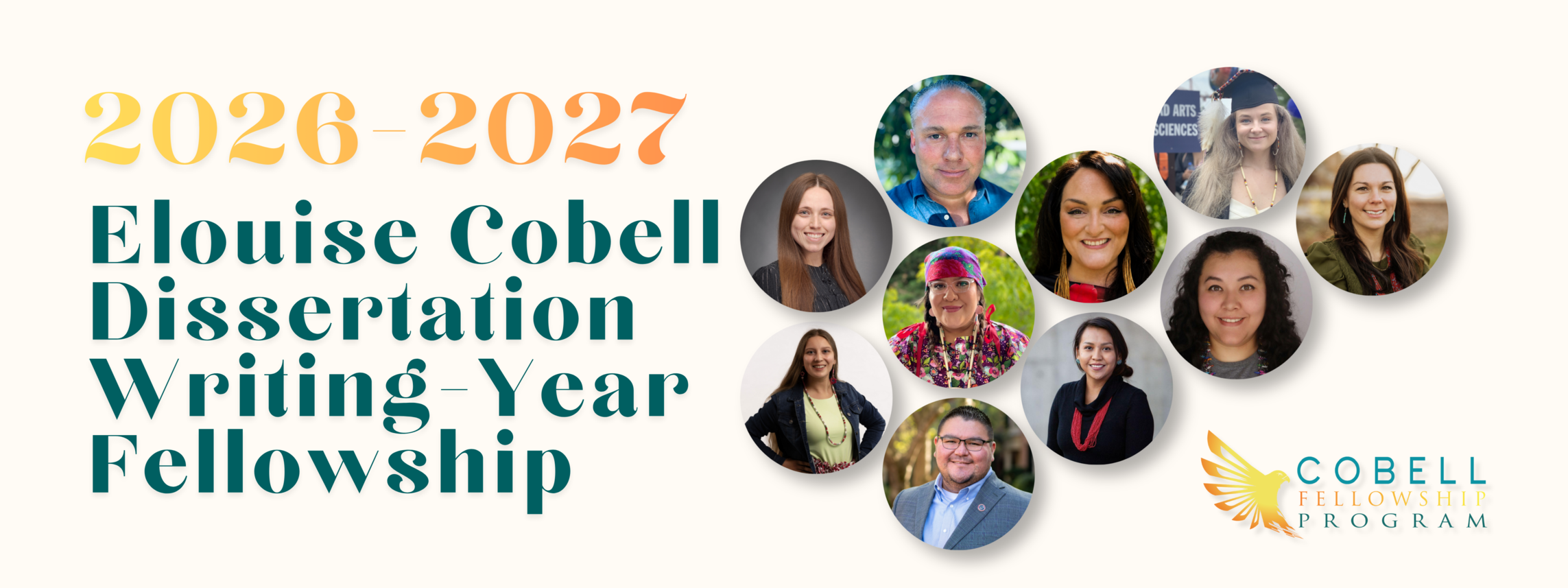
2026-2027 ECDWYF Recipients Announced!
Albuquerque, NM, May 7, 2026 - The Cobell Scholarship Program proudly announces the third cohort of recipients of the prestigious Elouise Cobell Dissertation Writing-Year Fellowship, administered on behalf of the Cobell Board of Trustees.
The Elouise Cobell Dissertation Writing-Year Fellowship provides $30,000 in support over 12 months to up to ten American Indian and Alaska Native scholars who are completing their doctoral dissertations. These distinguished recipients demonstrate exceptional academic performance, a commitment to advancing their chosen fields, and strong potential for future contributions as scholars and leaders. Each Fellow utilizes Indigenous research methodologies to enrich their academic disciplines, benefit their tribal communities, and engage meaningfully with their institutions of higher education.
Honoring the legacy of our ancestors, this year’s cohort of Cobell Fellows is remarkable in every way. As individuals, they are extraordinary scholars with the potential to effect meaningful change through their research, leadership, and vision. Now in the final stages of their dissertation work, these Fellows have earned this recognition through perseverance and academic excellence. Their research topics are as diverse as the tribal nations and institutions they represent—yet united by the Indigenous lens through which they interpret and analyze their work.
Supported by the Cobell Board of Trustees, the Indigenous Education, Inc. (IEI) Board of Trustees, a dedicated network of Native mentors and scholars, and the Research and Scholar Success team, this Fellowship cohort will contribute meaningfully to the future of doctoral research shaped by Indigenous perspectives and priorities.
Modeled after the nation’s most respected dissertation fellowships, the Elouise Cobell Dissertation Writing-Year Fellowship is distinct in its foundation: it is created, governed, and guided by and for enrolled members of U.S. federally recognized tribes. It complements IEI’s already successful Graduate Summer Research Fellowship Program, further expanding opportunities for advanced Indigenous scholarship.
Reflecting on the significance of the Fellowship, IEI CEO Melvin Monette-Barajas shared, “In these first two cohorts, we have had the privilege to celebrate half of the Fellows completing their doctorates and anticipate several more completing in the coming months. This program truly honors the legacy and work of Elouise Cobell.”
Dr. John Garland, Director of Research and Scholar Success at IEI, added, “Once again, our new cohort of Cobell Dissertation Fellows represents the future of Indigenous research and leadership. Their commitment to Indigenous-led research, and their plans to share their findings in ways that benefit Native communities and beyond, exemplify the powerful impact Cobell Fellows are making in the world.”
Continue reading to learn more about the 2026 Elouise Cobell Dissertation Writing-Year Fellows. Applications for our third cohort of Elouise Cobell Dissertation Writing-Year Fellows open on September 1, 2026.
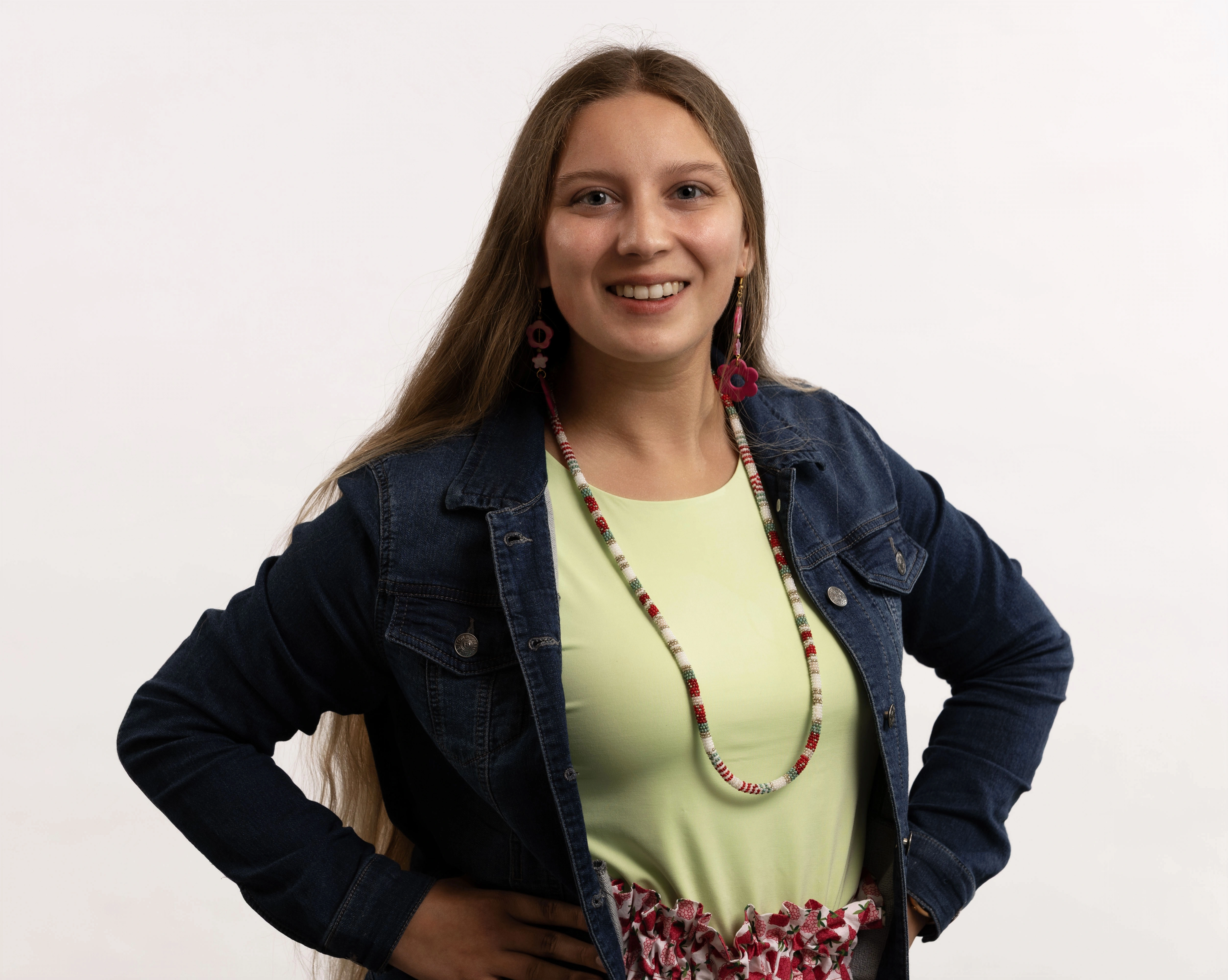 Angela Teeple
Bay Mills Indian Community
University of Minnesota Twin Cities
PhD in Medical Physics
Angela Teeple is a citizen of the Bay Mills Indian Community. She is currently attending the University of Minnesota for her Doctorate in Medical Physics. Teeple received her Master of Legal Studies in Indigenous Peoples’ Law and Policy from the University of Oklahoma Law School in 2021, and her Bachelor of Science in Mechanical and Nuclear Engineering from Kansas State University in 2018. Angela has extensive experience working with nuclear systems, specifically the effect of radiation exposure. An active member of AISES, Angela has presented at numerous conferences surrounding Indigenous STEM and was awarded the 2022 AISES Most Promising Engineer.
Angela’s dissertation research focuses on increasing accessibility of magnetic resonance imaging (MRI) machines to “rural, Indigenous, and underserved communities.” Teeple’s work focuses on developing “new methods to characterize magnetic field variations, and new radiofrequency (RF) pulses that remain reliable even in imperfect hardware environments” which can increase the affordability and access to MRI by making the system more compact. Teeple highlights that “Following completion of this dissertation, the compact MRI system will be used in collaboration with Minnesota tribal elders to begin community-guided Alzheimer’s research, demonstrating the potential for culturally grounded, community-controlled imaging to improve Indigenous health outcomes.”
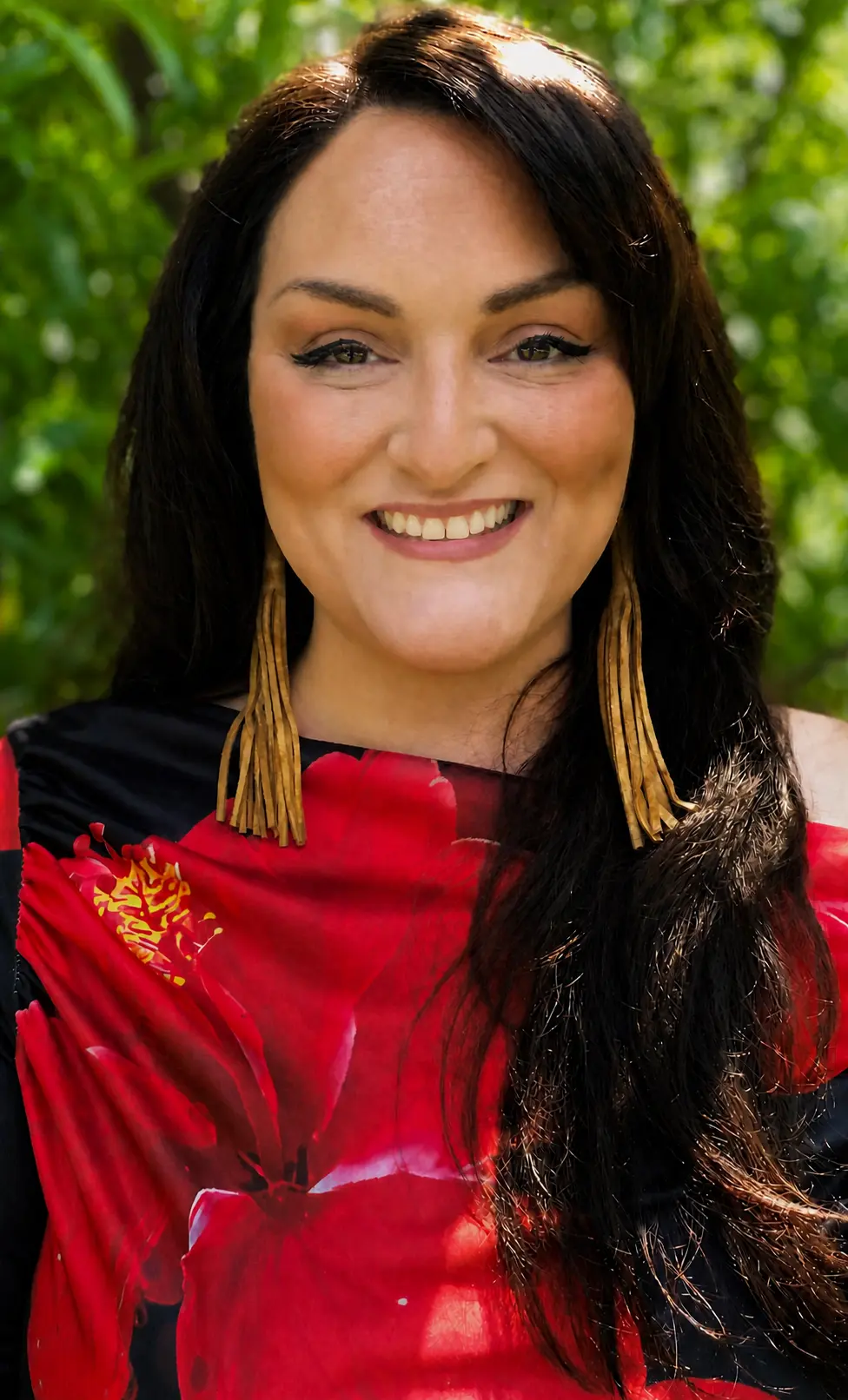
Annalise Guthrie
Cherokee Nation
University of Kansas
PhD in Ecology and Evolutionary Biology
Annalise Guthrie is an enrolled citizen of the Cherokee Nation and a doctoral candidate at the University of Kansas studying Ecology and Evolutionary Biology. A National Science Foundation Graduate Research Fellow and AISES member, Annalise has dedicated the better part of the last decade to Indigenizing academia in the fields of soil science, water security, and food systems.
Guthrie’s dissertation explores how “land use legacies and climate regimes alter belowground structure and hydrology in ways that control water availability, solute transport, and ecosystem resilience.” By testing distinct levels and aspects of the soil, Annalise can determine the amount of minerals, nutrients, and groundwater which have a direct impact on Tribal lands, “where deep-rooted perennial vegetation supports grazing systems, medicinal plants, and groundwater recharge.” Guthrie’s work will ultimately “[advance] soil and water science in service of Tribal sovereignty, intergenerational stewardship, and community well-being.”
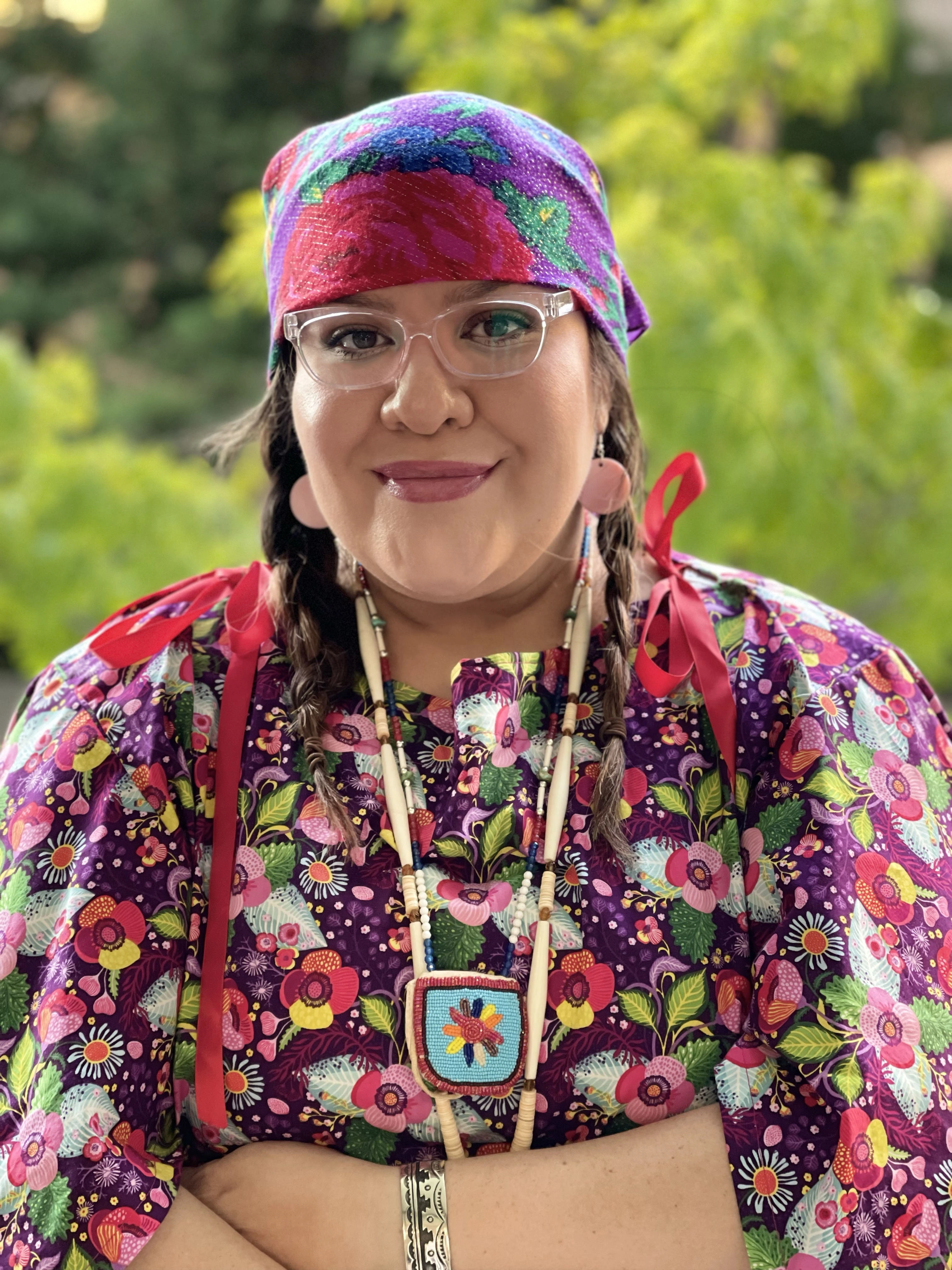 Cecilia Marek
Navajo Nation
Arizona State University
PhD in Ethnic/Cultural/Minority Gender and Group Studies
Cecilia Marek is a citizen of the Navajo Nation and resides in Phoenix, Arizona. She is pursuing dual doctoral degrees from Arizona State University and Macquarie University in Australia, studying Critical Indigenous and Gender Studies. Cecilia has earned two master’s degrees, both from Arizona State University (ASU), in Gender Studies and American Indian Studies/Indigenous Rights & Social Justice. Marek engages in her local community, most recently having been an active member in the Women’s Council of Indigenous Doctoral Scholars at ASU.
Cecilia’s dissertation, Resisting Removal, Restoring Kinship: Indigenous Women’s Advocacy in Child Welfare Policy and Community Action, investigates the role of Indigenous women in their advocacy to protect children and child welfare. Specifically, Marek is looking at how Indigenous women, both in the United States and in Australia, work with and within governmental structures and surrounding communities to influence child welfare policy and legal frameworks. She will also look into how these Indigenous women-led movements influence community-driven alternatives to government action, or inaction. Marek’s research “demonstrates how Indigenous women enact sovereignty through advocacy that reimagines child welfare systems grounded in kinship, care, and community accountability.”
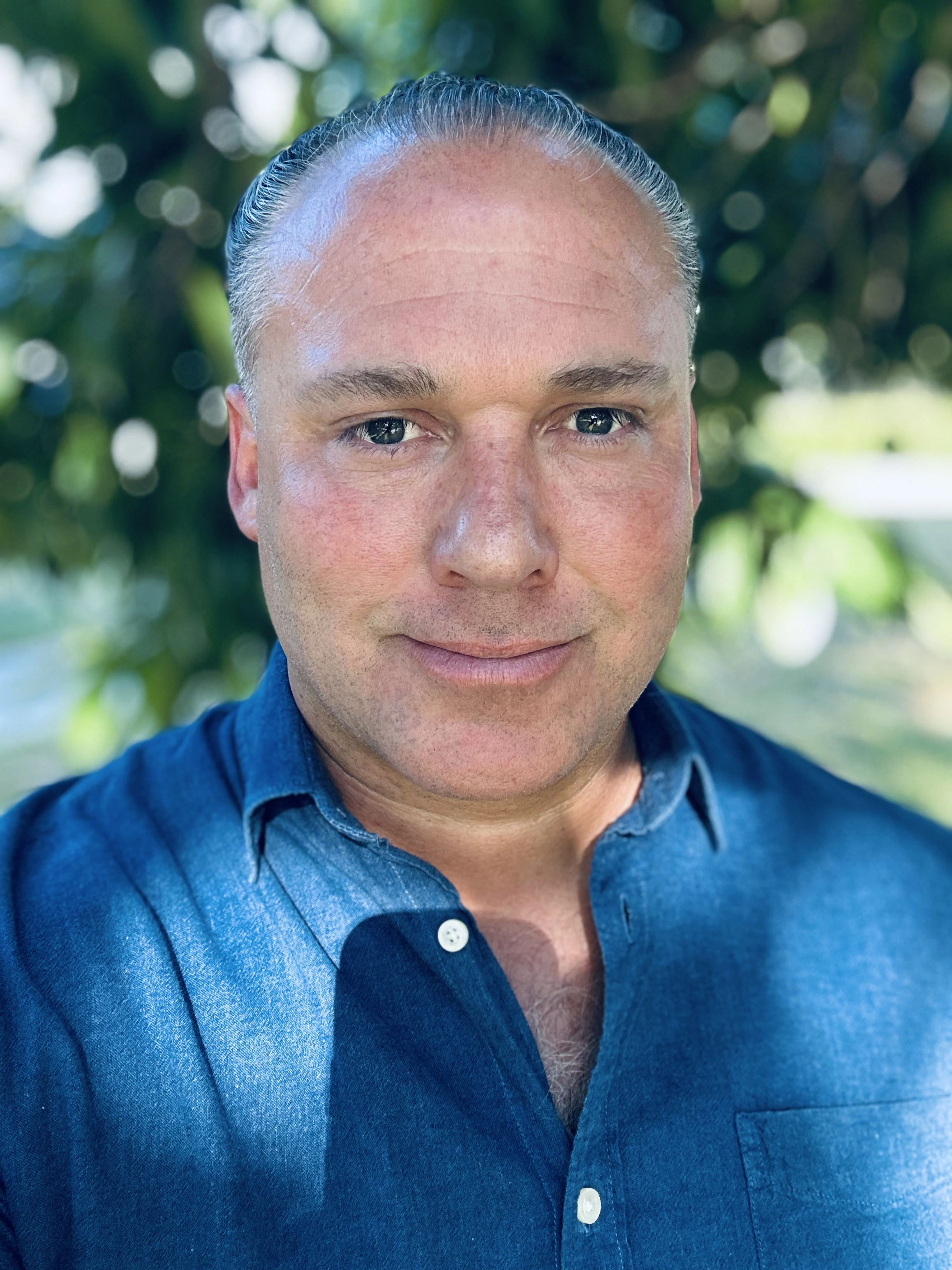 Connor Magee
Pala Band of Luiseno Mission Indians
University of California Davis
PhD in Ecology
A citizen of the Pala Band of Luiseno Mission Indians, Connor Magee’s research is grounded in Tribal sovereignty advocacy, Indigenous governance, and climate resilience “through applied ecological research and policy engagement.” Magee is pursuing a doctorate in ecology from the University of California Davis. Connor has deep connection to the land and waterways of Southern California and has served as a board member of the San Luis Indian Water Authority for over a decade. Magee was also recently appointed to the California Governor’s Office of Land Use and Climate Innovation, helping to oversee the state’s fifth Climate Change Assessment and Tribal Research Program.
In his research, Connor highlights the involvement of Tribal Nations in the development of research and policies to protect and steward the land and climate of Southern California. Using firsthand studies of the flora and fauna of the region, Magee is able to offer policies and practices surrounding invasive species management, habitat restoration, and cross-border water governance. Connor’s dissertation helps to “advance an integrated understanding of climate adaptation that links ecological processes, governance structures, and collaborative knowledge production.”
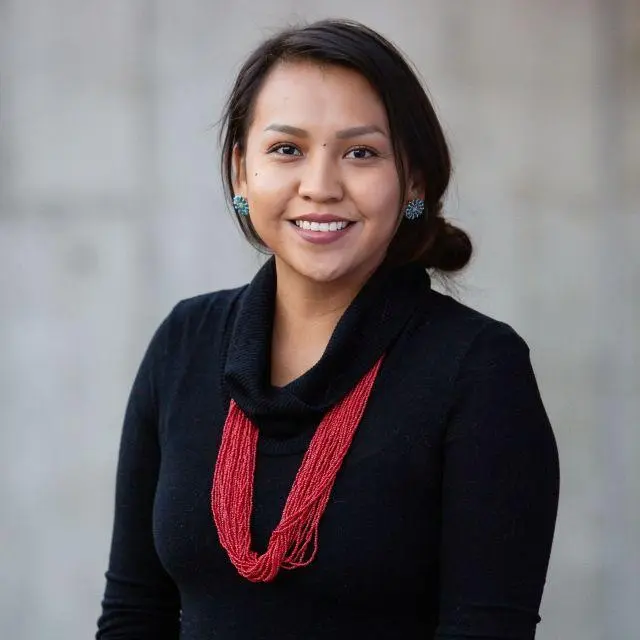 Deandra Jones
Navajo Nation
University of Arizona
PhD in Wildlife Conservation and Management
Deandra Jones is a citizen of the Navajo Nation and is a doctoral student at the University of Arizona studying Wildlife Conservation and Management. A lover of animals and wildlife, Deandra is involved in the intersection of the natural world and academia. Her background as a veterinary technician uniquely positions her with a deep understanding of animal behaviors, needs, and anatomy.
Jones’ dissertation, Living Knowledge, Living Landscapes: Black Bear Research and Relational Responsibility on the Navajo Nation, studies the American Black Bear living in the Southwestern United States and its cultural significance to the Navajo people. More than numbers, Deandra explores the “relationships, respect, and responsibility” between Black Bears, the community, and researchers. Jones expressed the importance of her work indicating the reflection of her “leadership in strengthening Indigenous representation in wildlife science through mentorship, collaborative partnerships, and the creation of meaningful pathways that support underrepresented students in STEM.”
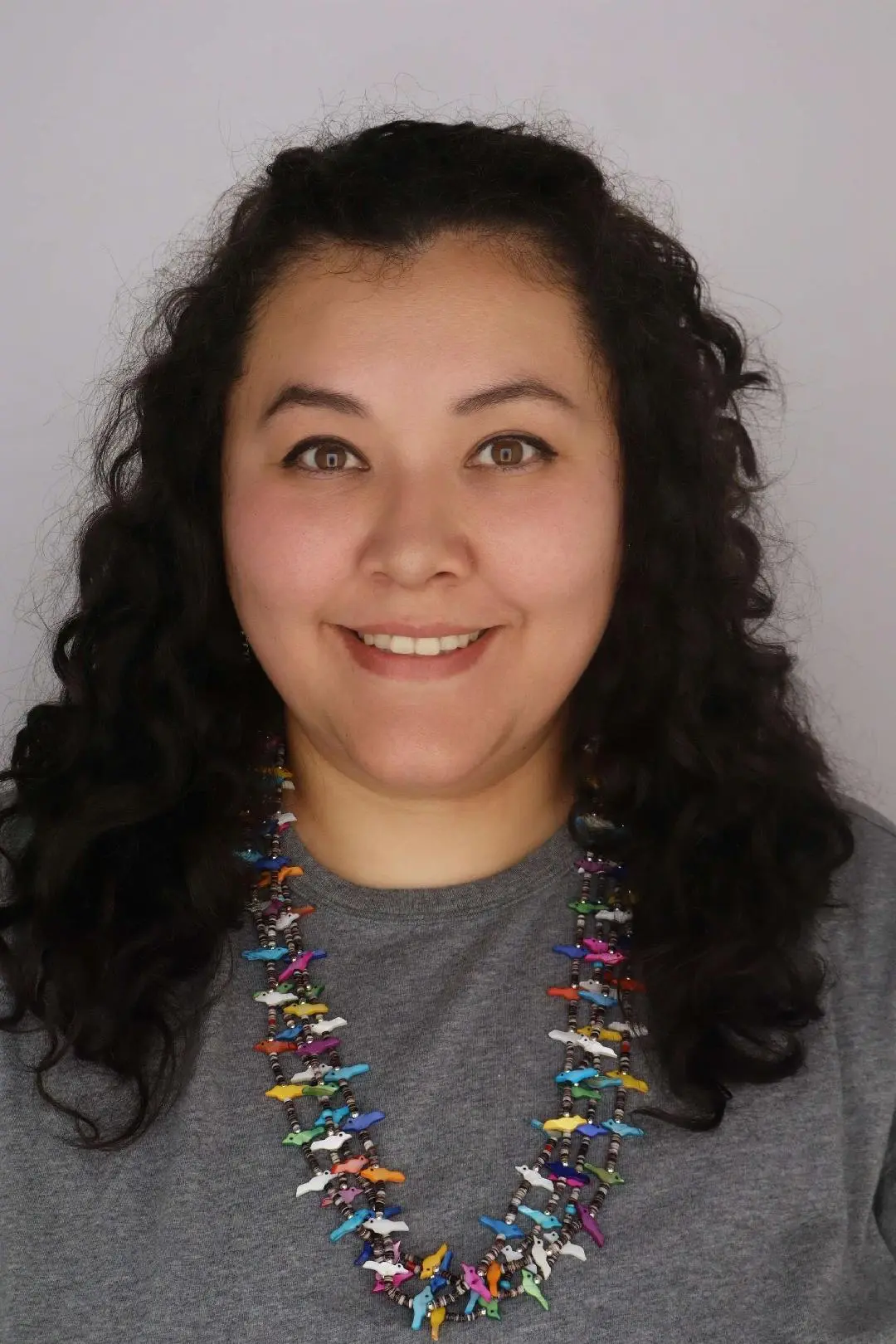 Janelle Cronin
Navajo Nation
Purdue University
PhD in Multi-/Interdisciplinary Studies
Janelle Cronin is a citizen of the Navajo Nation and is pursuing her doctorate from Purdue University. With a background in both Ecological Sciences and Engineering and Curriculum and Instruction, Janelle is rooted in the academic world and aspires of becoming a full professor, teaching introductory qualitative methods and Indigenous research methodology.
Janelle combines her knowledge and teaching experience into her dissertation, titled “Giving and giving: How Native faculty make meaning of giving back within their professional careers.” Through this research, Cronin seeks to understand the perspective and experience of Indigenous faculty members, and their perceptions on “giving back,” which is a cultural concept grounded in reciprocity and community.
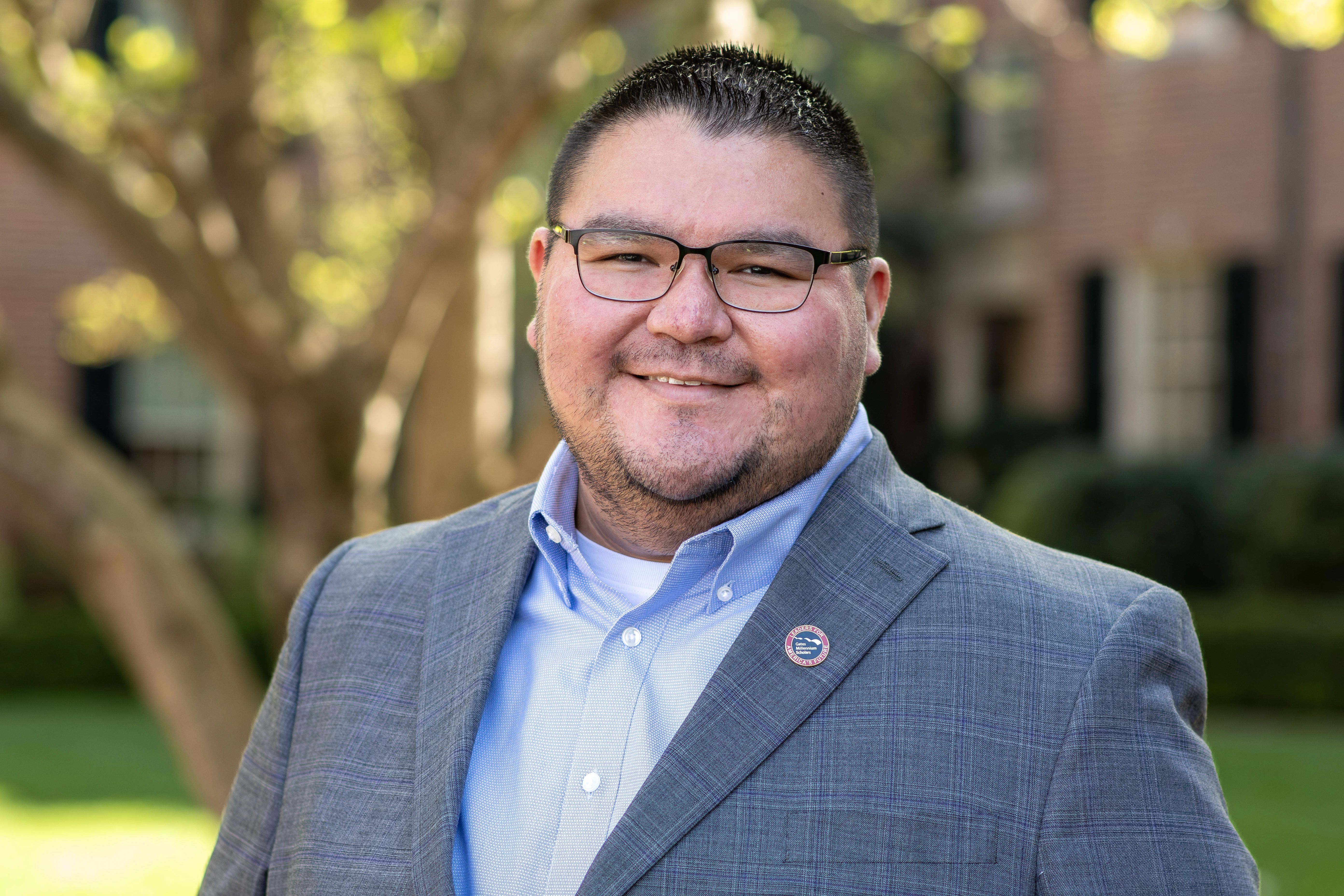 Joel Begay
Navajo Nation
University of North Carolina Chapel Hill
PhD in Epidemiology
Joel Begay, a citizen of the Navajo Nation, is pursuing his doctorate in Epidemiology from the University of North Carolina at Chapel Hill. Joel has experience working with cancer screenings and research, specifically surrounding the effects of breast cancer.
Joel’s doctoral research focuses on “eliminating racial disparities in breast cancer survival by transforming how we understand and treat patients with comorbidities.” Current chemotherapy treatments for women of color are often impacted by pre-existing conditions, resulting in inadequate treatment. Begay seeks to find answers to how certain comorbidities, such as obesity, hypertension, Type 2 diabetes, depression, chronic pulmonary disease, and hypothyroidism, interact with chemotherapy treatments. Identifying these interactions can offer insight into proper, more individualized treatments for women of color with breast cancer. Joel highlights that his research is “more than an epidemiologic investigation; it is an act of restorative justice. By revealing the hidden mechanisms that drive racial disparities, this dissertation could provide actionable evidence to inform clinical guidelines and ensure that high-quality care is accessible to all, not just a
privileged few.”
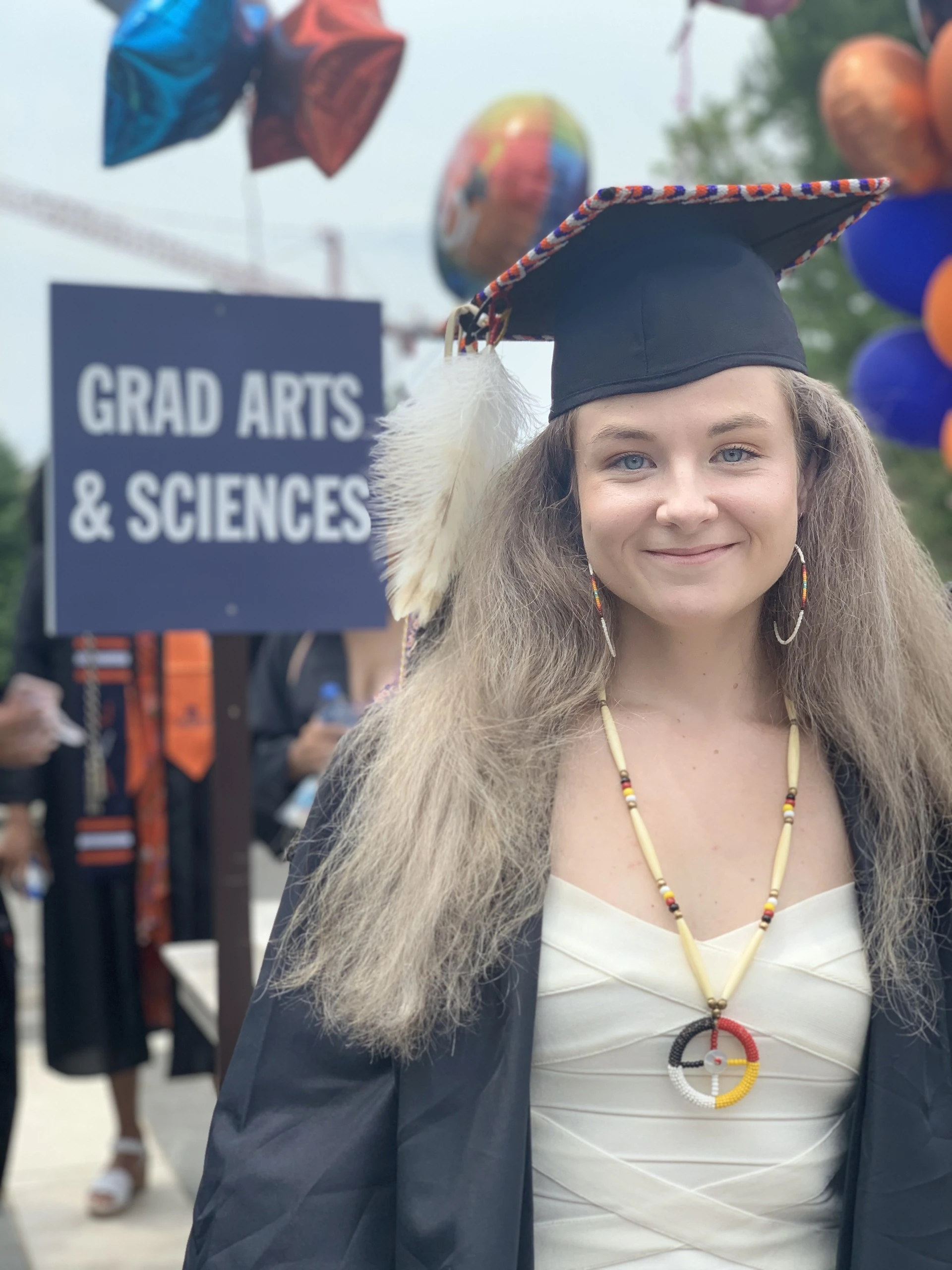 Kaylee Lamb
Cheyenne River Sioux Tribe
University of Florida
PhD in English Language and Literature
A citizen of the Cheyenne River Sioux Tribe, Kaylee Lamb is pursuing her doctorate in English from the University of Florida. With an interest in American Gothic Literature, Kaylee’s work combines Indigenous and Black Literature with those Gothic themes – highlighting stories of historical and cultural trauma, but deeper yet, the underlying theme of persistence through literature.
Through what she calls “Gothic suturing,” Kaylee’s dissertation will explore how fear “intertwines with identity and how its expression functions as a form of resistance and a way to reclaim personhood.” Lamb will call upon literature by authors such as Louise Erdrich, Toni Morrison, Louise Owens, and LaTanya McQueen, to name a few. In her future work, Kaylee aspires to look deeper into Indigenous digital storytelling and cyberactivism and how they serve as methods to build community by “infusing their narratives with culture, humor, and creativity to resist racialized stereotypes and caricatures, and to assert their sovereignty.”
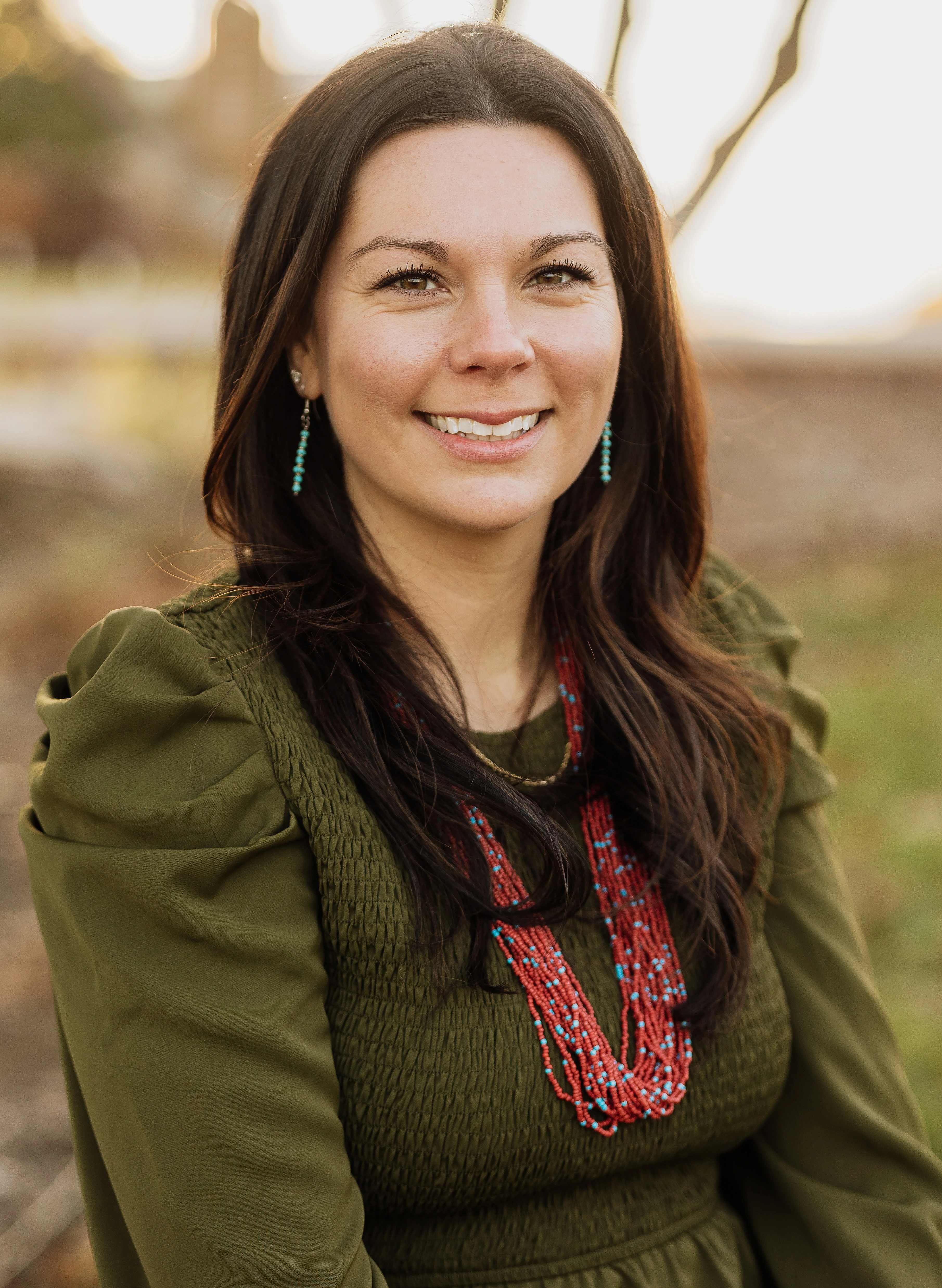
Kendra Root
Muscogee (Creek) Nation
Oklahoma State University
PhD in Social Foundations of Education
Kendra Root is an enrolled citizen of the Muscogee (Creek) Nation pursuing her doctorate in the Social Foundations of Education from Oklahoma State University. Kendra brings extensive expertise in the social and political dynamics of Indian Country to her work in academia.
Kendra’s dissertation focuses on the lived experiences and reproductive journeys among Indigenous women and birthing people who live, or have lived, near the Tar Creek Superfund site within the Quapaw Nation’s reservation. Through narratives of survivance, Root will gain insight into the “social and environmental changes resulting from Euro-American settler colonial land violence.”
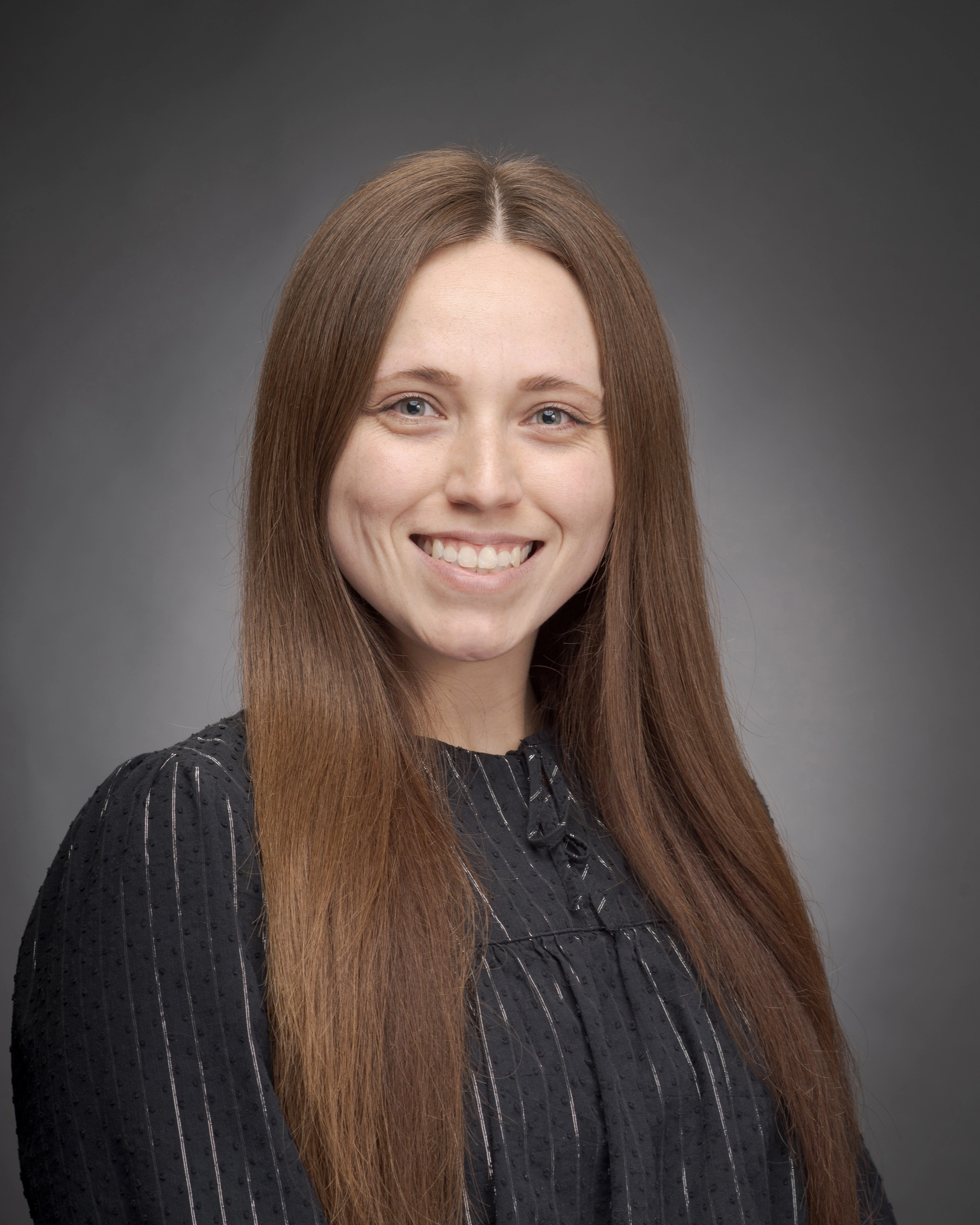
Zena Robert
Pribilof Islands Aleut Communities of St Paul & St George Islands
Montana State University Bozeman
PhD in Earth Science
Zena Robert, a citizen of the Pribilof Islands Aleut Communities of St Paul & St George Islands in Alaska, is pursuing her PhD in Earth Science at Montana State University Bozeman. Zena has a deep background in geology and geoscience and has been an active community member, increasing access and visibility of women in STEAM. Set to debut in May 2026, she and her current research team at Montana State University are being featured in a Montana PBS documentary on their research on permafrost and its effects on landscapes in Interior Alaska.
Robert’s dissertation, Feedback Between Geomorphic Processes and Permafrost Dynamics on Soil-Mantled Hillslopes in Interior Alaska, USA, focuses on the effects of hillslope permafrost on the surrounding landscape. Eighty percent of Alaska is underlain with permafrost and is therefore more likely to be directly impacted by climate change and the subsequent melting of permafrost. Zena highlights her work, stating that “By linking high-resolution field measurements, remote sensing-based subsidence detection, geochemical indicators of thaw, and a 90,000-year geomorphic record, this research provides tools that can be incorporated into regional models to identify unstable hillslope zones, protect infrastructure, and preserve the integrity of water sources for Alaskan communities.”
About the Elouise Cobell Dissertation Writing-Year Fellowship
The Elouise Cobell Dissertation Writing-Year Fellowship awards $30,000 over 12 months of support for up to ten American Indian/Alaska Native scholars to complete a dissertation leading to the Doctor of Philosophy (PhD), Doctor of Education (EdD), or Doctor of Science (ScD) only – no other terminal degrees will qualify for this Fellowship. All applicants must be enrolled full-time and plan to spend the majority of their award year writing and defending their dissertation. Writing-Year Fellowships will be awarded in a national competition administered by Indigenous Education, Inc. on behalf of the Cobell Scholarship Program. The awards will be made to individuals who, in the judgment of the review panel, have demonstrated superior academic achievement, are committed to a career in their discipline, show promise of future achievement as scholars and leaders, and who may use Indigenous research and/or methodologies as a resource for enriching their field of study, their tribal community, and/or their college/university.
Additional awardee requirements of the Writing-Year Fellowship include:
- Attend the Four-Day Cobell Fellowship Symposium held in July; and,
- Participate in graduate scholar coaching sessions provided by the Fellowship Program; and,
- Attend eleven monthly virtual meetings following the Symposium via Cobell Community; and,
- Submit a six-month progress summary to the Fellowship Program via OASIS.
Prerequisites
- Must be an enrolled member of a U.S. Federally recognized American Indian or Alaska Native tribe; and,
- Must be considered a full-time student during the period of the award; and,
- Completed all requirements for doctoral degree except for writing and defense at time of award; and,
- Must be first doctoral degree of any kind, at any time, in any field (professional doctorates (Psy.D., M.D., D.O., O.D., J.D., etc.) do not qualify for this fellowship award).
Combination academic doctorates such as Ph.D. with M.D. and Ph.D. with J.D. will be considered on a case-by-case basis upon review of a completed application.
About the Cobell Scholarship Program, Indigenous Education, Inc.
Created in 2016 for the express purpose to administer the Cobell Scholarship Program, Indigenous Education, Inc. provides elevated opportunities for Native college students through empowering them with an impactful scholarship experience designed to support their success in higher education. The overarching mission and vision of Indigenous Education, Inc. is to support American Indian and Alaska Native student success. Since the program’s beginning, it has supported over 6000 students with more than $60,000,000 in scholarships. To learn more about IEI and the Cobell Scholarship, visit cobellscholar.org.
-END-