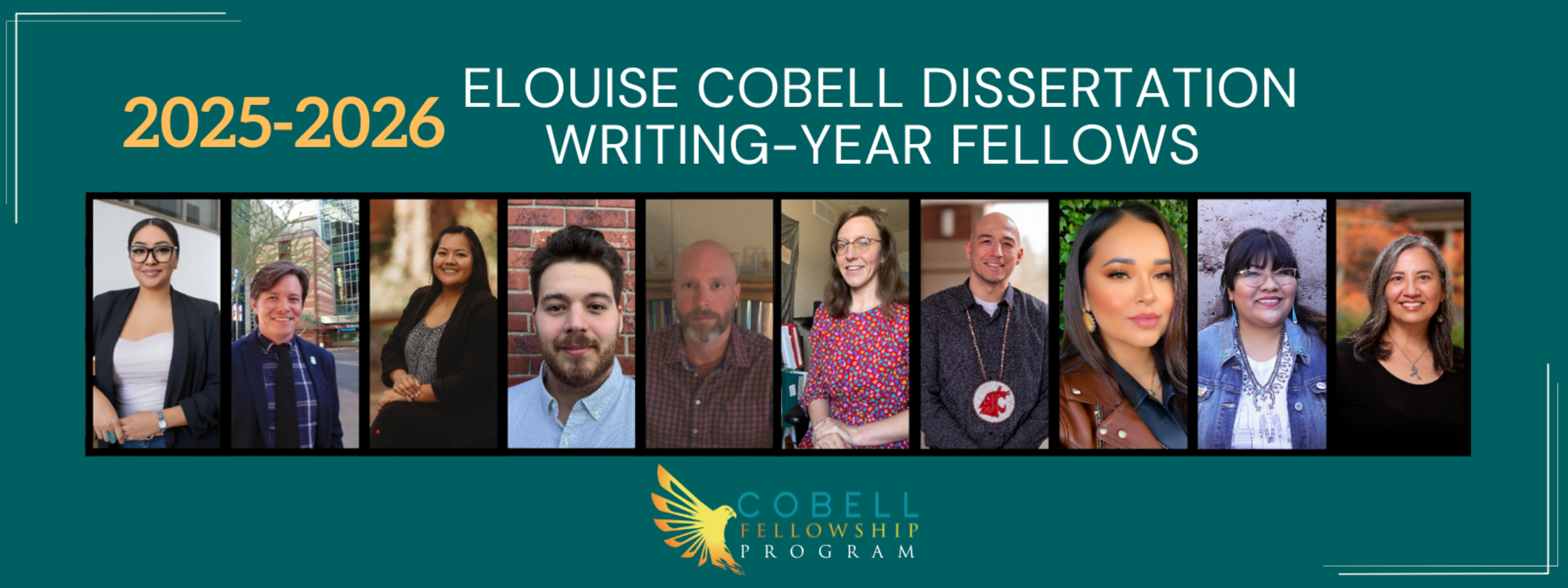
The Cobell Scholarship Program proudly announces the second cohort of recipients of the prestigious Elouise Cobell Dissertation Writing-Year Fellowship, administered on behalf of the Cobell Board of Trustees.
The Elouise Cobell Dissertation Writing-Year Fellowship provides $30,000 in support over 12 months to up to ten American Indian and Alaska Native scholars who are completing their doctoral dissertations. These distinguished recipients demonstrate exceptional academic performance, a commitment to advancing their chosen fields, and strong potential for future contributions as scholars and leaders. Each Fellow utilizes Indigenous research methodologies to enrich their academic disciplines, benefit their tribal communities, and engage meaningfully with their institutions of higher education.
Honoring the legacy of our ancestors, this year’s cohort of Cobell Fellows is remarkable in every way. As individuals, they are extraordinary scholars with the potential to effect meaningful change through their research, leadership, and vision. Now in the final stages of their dissertation work, these Fellows have earned this recognition through perseverance and academic excellence. Their research topics are as diverse as the tribal nations and institutions they represent—yet united by the Indigenous lens through which they interpret and analyze their work.
Supported by the Cobell Board of Trustees, the Board of Directors of Indigenous Education, Inc., a dedicated network of Native mentors and scholars, and the Research and Scholar Success team, this Fellowship cohort will contribute meaningfully to the future of doctoral research shaped by Indigenous perspectives and priorities.
Modeled after the nation’s most respected dissertation fellowships, the Elouise Cobell Dissertation Writing-Year Fellowship is distinct in its foundation: it is created, governed, and guided by and for enrolled members of U.S. federally recognized tribes. It complements IEI’s already successful Graduate Summer Research Fellowship Program, further expanding opportunities for advanced Indigenous scholarship.
Reflecting on the significance of the Fellowship, IEI President and CEO Melvin Monette-Barajas shared, “These ten Scholars truly embody the spirit of our namesake, Elouise Cobell, by dedicating their studies to ‘understand how the world works and question everything that comes before them.’”
Dr. John Garland, Director of Research and Scholar Success at IEI, added, “Beyond their impressive academic accomplishments, these Fellows reflect the vision Elouise Cobell held for Indian Country. Success is not solely measured by achievement—it is a way of life rooted in lifting others and creating opportunities for Indigenous students and thriving tribal communities. The visibility of this Fellowship empowers future generations of Native scholars to envision their own success.”
Continue reading to learn more about the 2025 Elouise Cobell Dissertation Writing-Year Fellows. Applications for our third cohort of Elouise Cobell Dissertation Writing-Year Fellows open on September 1, 2025.
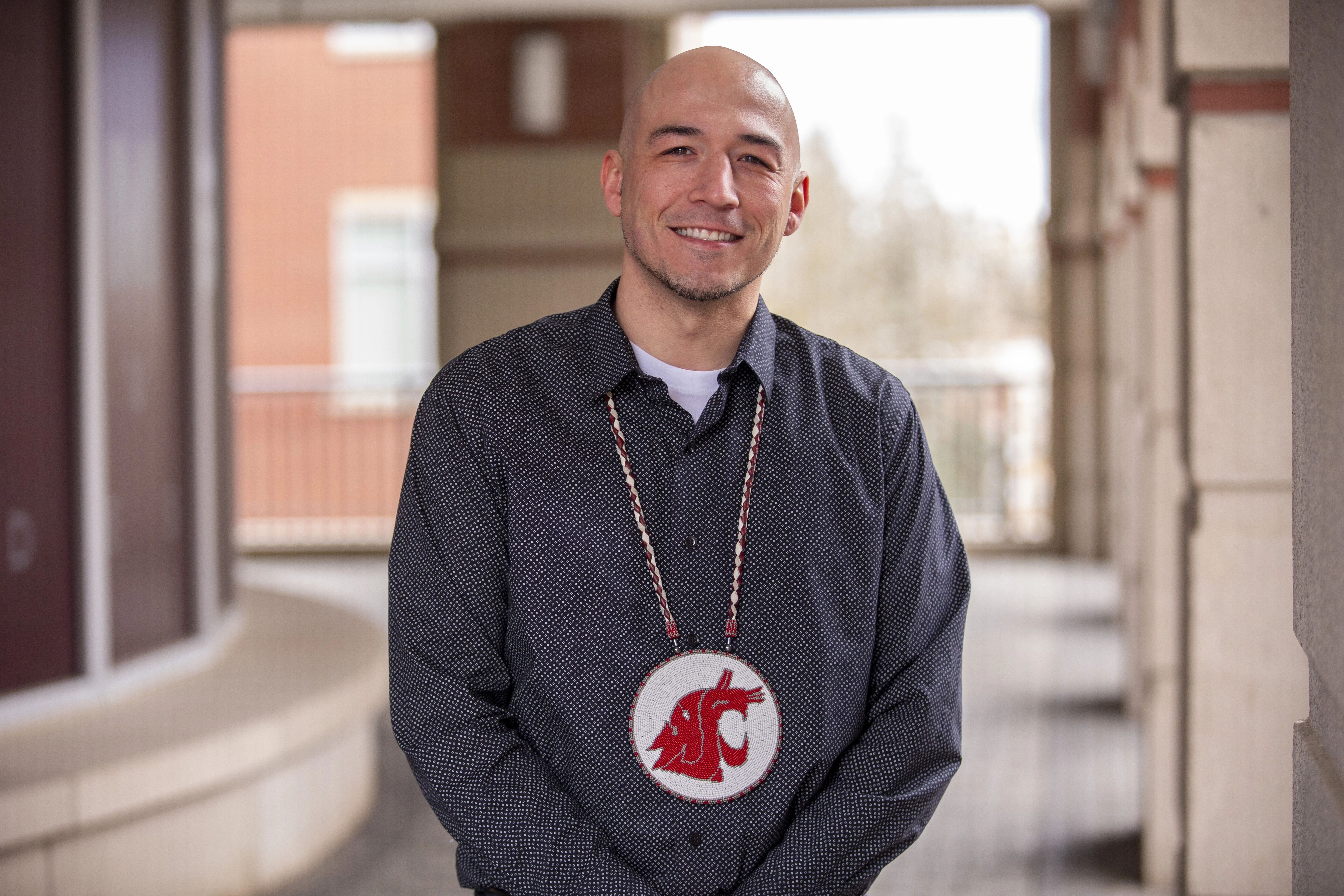 Cary Rosenbaum
Washington State University
Confederated Tribes of the Colville Reservation
PhD in Educational Leadership and Administration
Cary Rosenbaum has achieved notable career milestones, including working for Indian Country Today, winning over two dozen first-place awards from the Native American Journalists Association, and leading their tribe’s newspaper to national recognition. His educational journey, culminating in a Bachelor’s in Journalism and a Master’s in Business from Gonzaga University, empowered him to elevate Indigenous voices through journalism. Inspired by the disparities in Indigenous student dropout rates and underrepresentation in higher education, he joined Washington State University’s Ed.D. program to address these issues.
Currently, he is a Tribal Community Specialist at WSU’s Native American Program, conducting a qualitative study on Colville Tribal Member Persistence in Higher Education. His research utilizes Tribal Critical Race Methodology, and Indigenous Research Methodologies surrounding the four R’s: Respect, Relevance, Reciprocity, and Responsibility, to explore the barriers and persistence techniques of recent Colville Tribal graduates. Cary’s goal is to increase the number of Indigenous graduates and leaders, addressing the unique challenges faced by tribal members in higher education. Writing has always been his passion, and he is committed to improving student outcomes and representation for Indigenous communities.
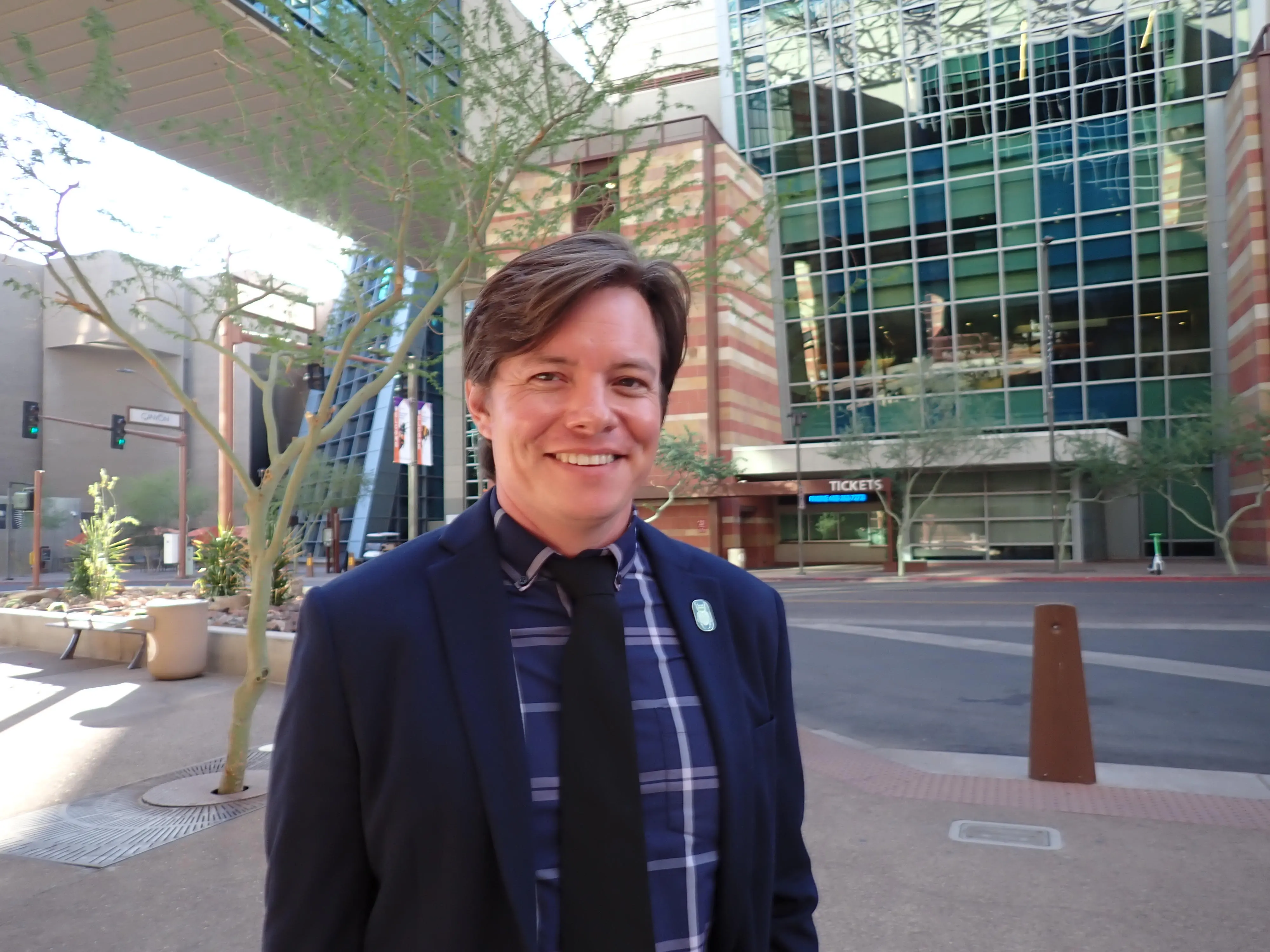 Charles Bradley
University of Arizona
Navajo Nation
PhD in Entomology
Charles Bradley’s study focuses on Diadasia, commonly known as "cactus bees.” Diadasia are native to North and South America, with most species residing in the American Southwest. Female Diadasia bees construct underground tunnels with brood cells where larvae develop, specializing in pollen from specific plant families. While most species prefer mallow pollen, six species, including Diadasia rinconis, specialize in cactus pollen, playing a crucial role in pollinating endangered cacti. The bees' microbiome, present in the pollen provisions, is essential for larval development, providing nutrition that the indigestible pollen alone cannot. The effects of long-term diapause on the gut microbiome of these bees remain unknown, highlighting the need for further research.
His research aims to identify and understand the microbial communities in Diadasia opuntiae's pollen provisions, document the gut microbiome of larvae undergoing long-term diapause, and explore microbiome-mediated constraints on host-plant switching. By comparing microbial compositions and functions between closely related bee species with different pollen preferences, the study seeks to uncover the potential constraints and adaptations involved in host-plant shifts. This research is vital for understanding the ecological and evolutionary dynamics of Diadasia bees and their interactions with their environment.
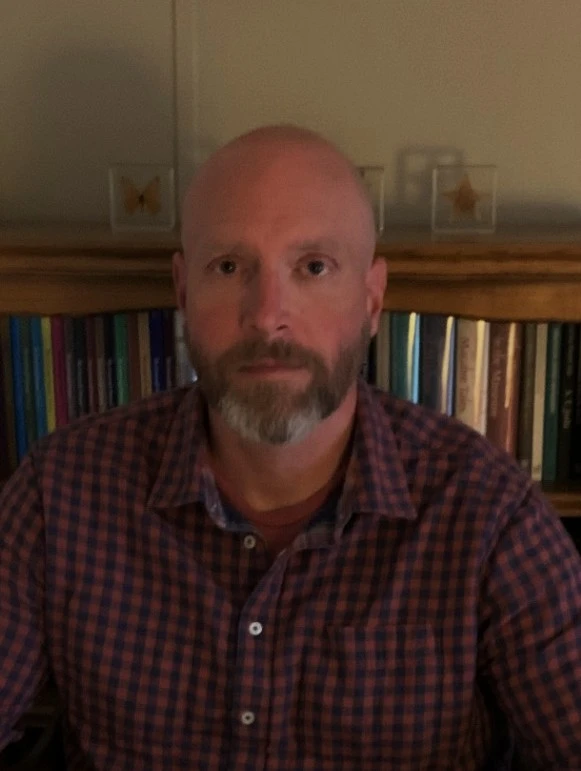
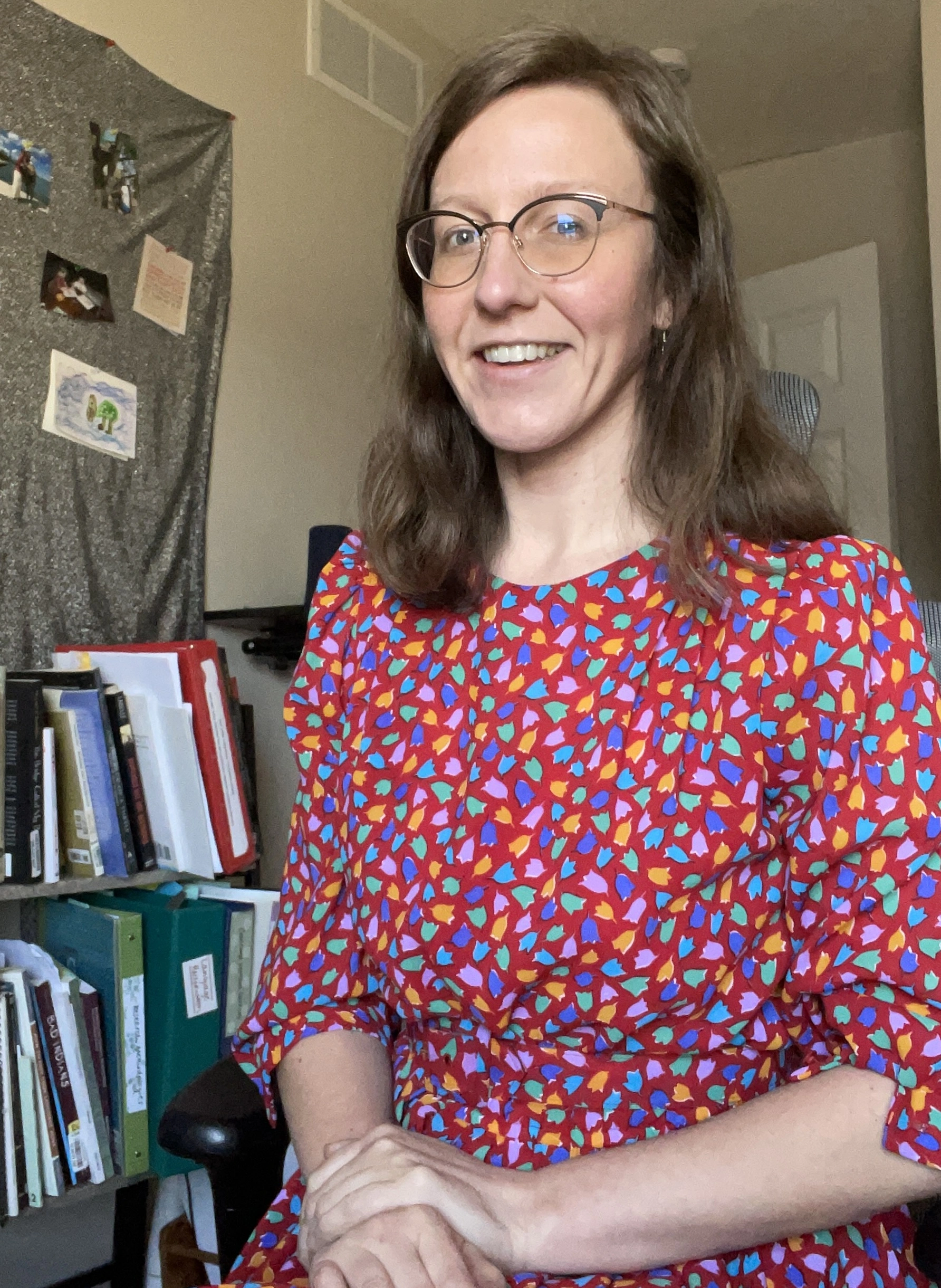 Darcy Allred
Illinois State University
Wyandotte Nation
PhD in American Indian/Native American Languages Literatures and Linguistics
Reclaiming the Waⁿdat language is a critical priority of Darcy Allred, and her dissertation explores how to achieve this through collaboration with the Wyandot(te) community. Her research investigates language shift contexts, diasporic perspectives, and the development of community protocols and pedagogy. It positions Wyandot(te)s as co-researchers, emphasizing their expertise and engaging with influential heritage language scholars. The dissertation includes five chapters: Introduction, Methodology, Waⁿdat Pedagogy & Curriculum, Protocols in Heritage Learning Spaces, and Steps Forward.
Darcy’s research aims to break away from extractive approaches in mainstream American Indian scholarship, advocating for constant consent, relational accountability, reciprocity, and respect. It highlights Waⁿdat as a cultural-epistemological vehicle for the Wyandot(te) people, asserting their rights and responsibilities over their history and knowledge. The collaborative research seeks to reclaim knowledge for the benefit of the Wyandot(te) diaspora and multi-tribal communities engaged in heritage knowledge reclamation.
 Top of Form
Dylan Henderson
Purdue University
Cherokee Nation
PhD in English Language and Literature
Dylan Henderson’s research investigates H. P. Lovecraft's work; known for its "cosmic horror" and influence of American popular culture, despite originally appearing in low-grade pulp magazines. Lovecraft’s stories, which depict alien gods threatening humanity, continue to divide scholars. Some, like S. T. Joshi, argue that Lovecraft's work transcended pulp fiction, while others, including Edmund Wilson, view him as a typical pulp writer. Lovecraft himself acknowledged the influence of pulp conventions on his writing, despite his disdain for them.
The dissertation "Conflicting Visions: The Genesis of the Modern Weird Tale" investigates Lovecraft's relationship with pulp magazines, particularly Weird Tales. It explores his early influences, his mature fiction, and his correspondence with other pulp writers. The research demonstrates that Lovecraft, while influenced by pulp science fiction, also provided a unique approach to alien life and borrowed plot devices from the pulps. Ultimately, Lovecraft's interaction with these magazines shaped his most characteristic works, helping him evolve as a writer and literary theorist.
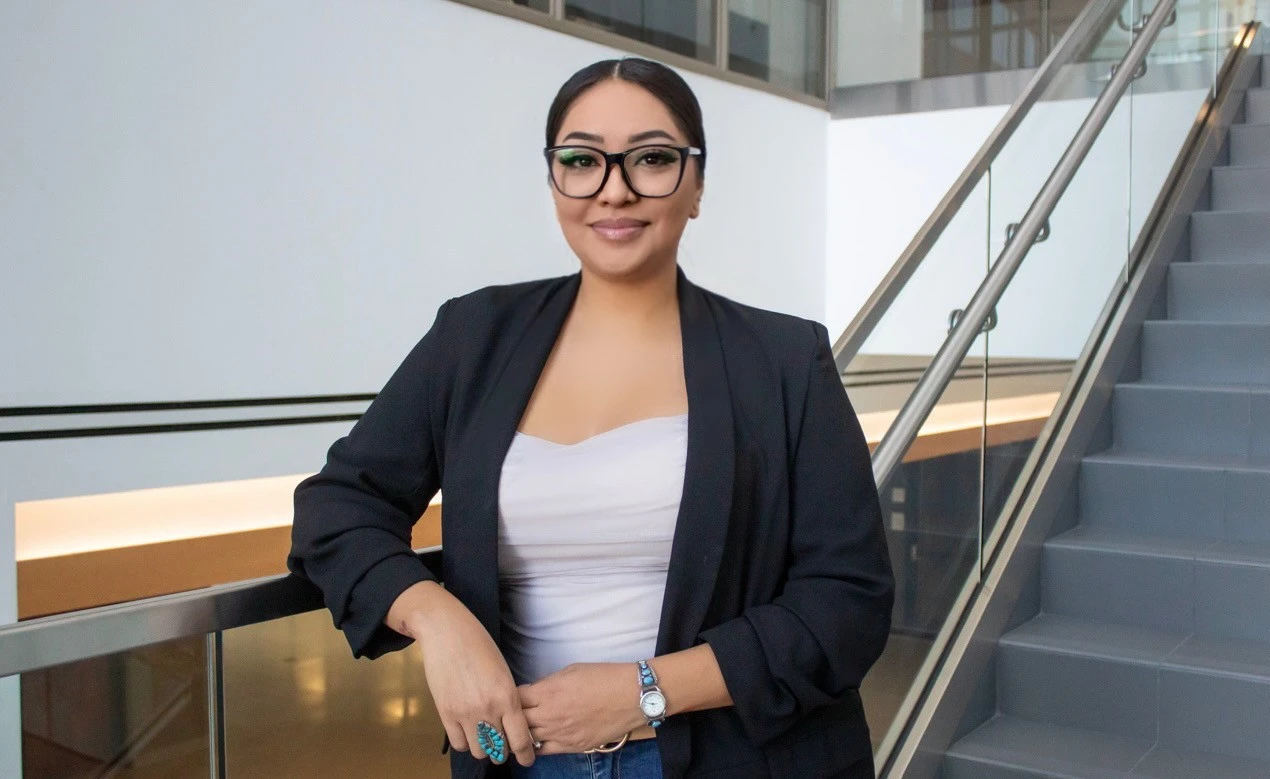 Gem Wilson
University of North Dakota
Navajo Nation
PhD in Public Health
Gem Wilson’s dissertation explores the Tribal Practices for Wellness in Indian Country (TPWIC) program, funded by the CDC. This program aims to reduce chronic disease rates in American Indian and Alaska Native (AI/AN) communities by promoting social and cultural connectedness. Gem’s research investigates the impact of TPWIC on 36 recipients across Indian Country, utilizing a mixed methods approach and Tribal participatory research. The study incorporates traditional practices such as dance, prayer, beading, and storytelling to support mental, emotional, spiritual, and physical health. By engaging AI/AN participants as co-researchers, the research ensures ethical practices and aims to guide future federal funding opportunities for culturally relevant programs.
The TPWIC Indigenous Evaluation Center (TIEC) collaborates with the CDC to conduct a national cross-site evaluation, involving focus groups and document reviews to understand the program's effectiveness and areas for improvement. The research highlights the importance of cultural practices in promoting wellness and aims to foster intergenerational communication and connection within AI/AN communities. The findings will support the development of culturally responsive health programming and policy changes to benefit Indian Country.
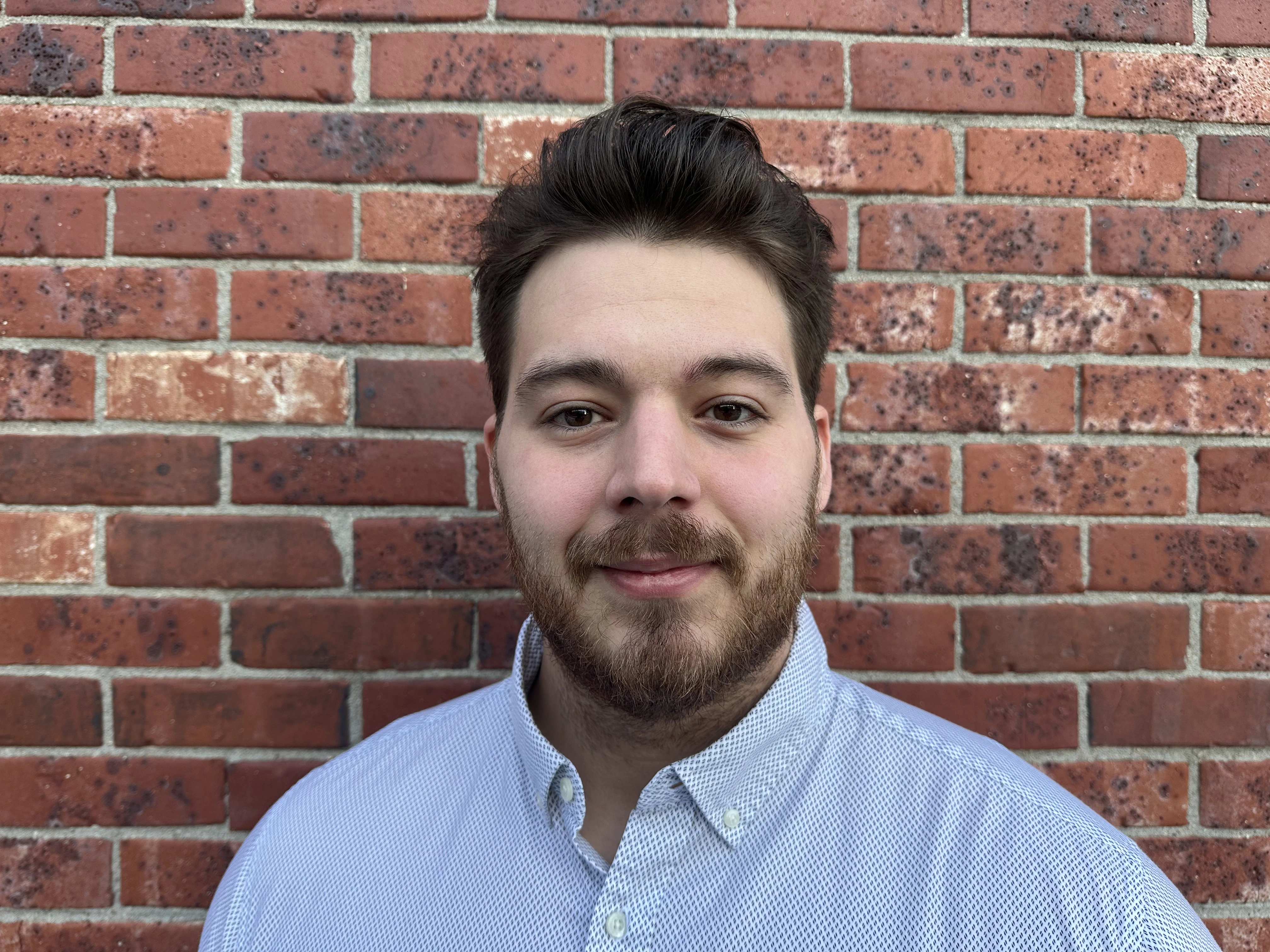 Joseph Tucker
University of Colorado Denver
Cherokee Nation
PhD in Biology/Biological Sciences
Joseph Tucker’s dissertation investigates the bioconcentration factors and physiological effects of complex mixtures of per- and polyfluoroalkyl substances (PFAS) on fathead minnows (Pimephales promelas). PFAS, widely used in various industrial and consumer products, persist in the environment, particularly around fire training areas where aqueous film-forming foams (AFFFs) are used. The study, conducted at Joint Base Cape Cod, involves exposing adult male fathead minnows to different concentrations of PFAS-contaminated water to evaluate uptake and depuration kinetics, as well as the effects on metabolism, reproductive, and endocrine systems. The research aims to address two major knowledge gaps: the differences in uptake and depuration kinetics based on PFAS concentration and mixture makeup, and the impact of complex PFAS mixtures on fish health, correlating these effects to both total PFAS load and individual congeners.
The dissertation is divided into two main chapters: the first focuses on the kinetics of PFAS uptake and depuration, while the second examines the physiological effects and biomarkers in the testes and liver of exposed fish. The findings will contribute to understanding how PFAS exposure affects aquatic organisms and provide insights into the environmental and health implications of these persistent chemicals.
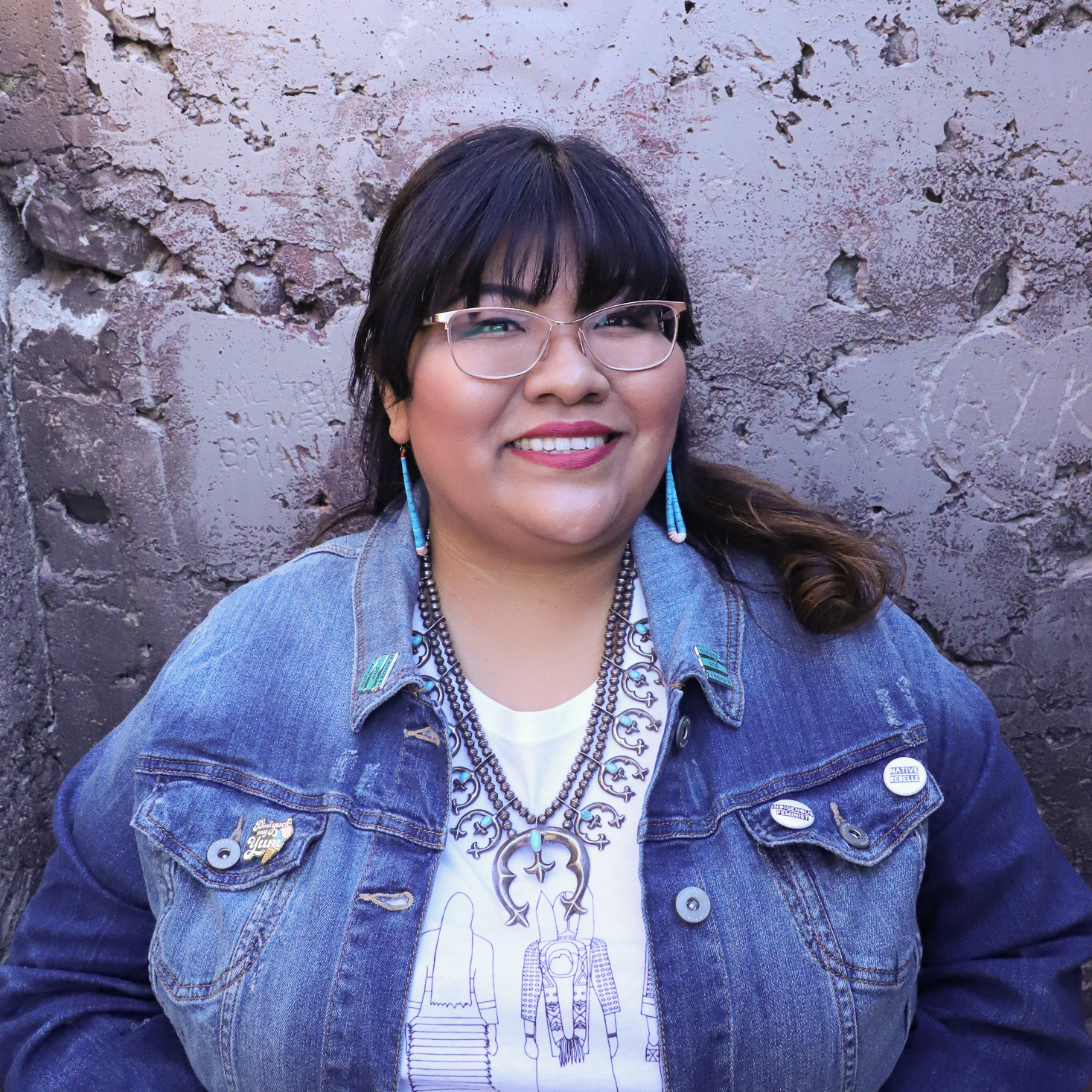 Nicholet Deschine Parkhurst
Arizona State University/Macquarie University
Standing Rock Sioux
PhD in Justice Studies
Nicholet Deschine Parkhurst is a distinguished scholar and enrolled member of the Standing Rock Sioux Tribe, currently pursuing a dual Ph.D. in Justice Studies at Arizona State University and Critical Indigenous Studies at Macquarie University in Australia. Her academic and professional journey is deeply rooted in Indigenous advocacy, digital activism, and community-based research. With advanced degrees in public policy and social work, Deschine Parkhurst has cultivated a multidisciplinary approach to examining the intersections of Indigenous sovereignty, digital media, and social justice. Her dissertation explores Indigenous perceptions of social change through social media, particularly focusing on the #NoDAPL movement. This work contributes to a growing body of Indigenous-led scholarship that theorizes "everyday Indigenous resurgence" as a form of cultural revitalization and political engagement.
Deschine Parkhurst’s scholarly contributions span peer-reviewed articles, book chapters, and policy reports, often addressing themes such as environmental racism, Indigenous health disparities, and digital governance in Indian Country. Her research has earned numerous accolades, including awards from the Association of Internet Researchers and the Computer Supported Cooperative Work and Social Computing community. Beyond academia, she has served in various roles—from public health policy analyst to educator and consultant—demonstrating a sustained commitment to Indigenous empowerment and education. Her leadership extends into community service and university governance, where she has organized symposia, mentored Indigenous scholars, and advocated for inclusive academic spaces. Through her work, Deschine Parkhurst exemplifies the transformative potential of Indigenous scholarship in both local and global contexts.
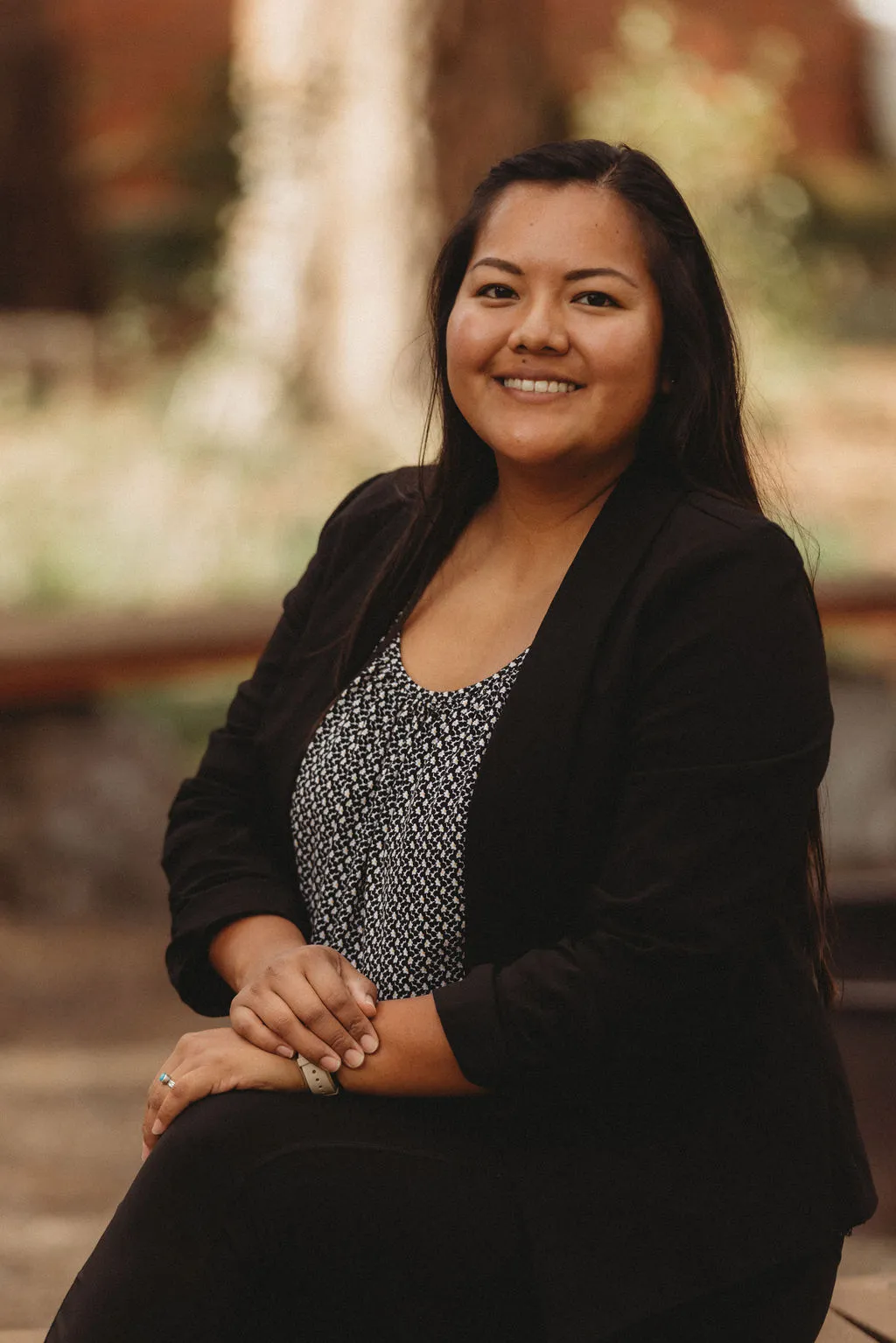 Nicole Benally
University of Montana
Navajo Nation
PhD in Forestry
Nicole Benally’s dissertation investigates the relationship between Tribal and Indigenous Food Sovereignty (TIFS) efforts among Tribal College and University (TCU) campuses and across the Navajo Nation (NN). She aims to understand how TCUs can support TIFS and the opportunities and obstacles they face. The study consists of three chapters, employing a qualitative social science approach through systematic literature review, semi-structured interviews, and archival research. Chapter One explores the conceptualization of TIFS within research literature and its application in the NN. Chapter Two examines the relationship between TCUs and TIFS through interviews with TCU staff and faculty. Chapter Three uses archival research to understand the historical and current foodways of the Navajo/Dine’ People and the engagement of NN TCUs in TIFS.
The findings will serve as a resource for other Indigenous communities in developing TIFS efforts and guide future actions within TCUs and the NN to support tribal sovereignty through food sovereignty. Nicole’s research highlights the importance of cultural, spiritual, and physical resilience of Indigenous People and aims to publish the chapters in peer-reviewed journals with Open Access for wide accessibility.
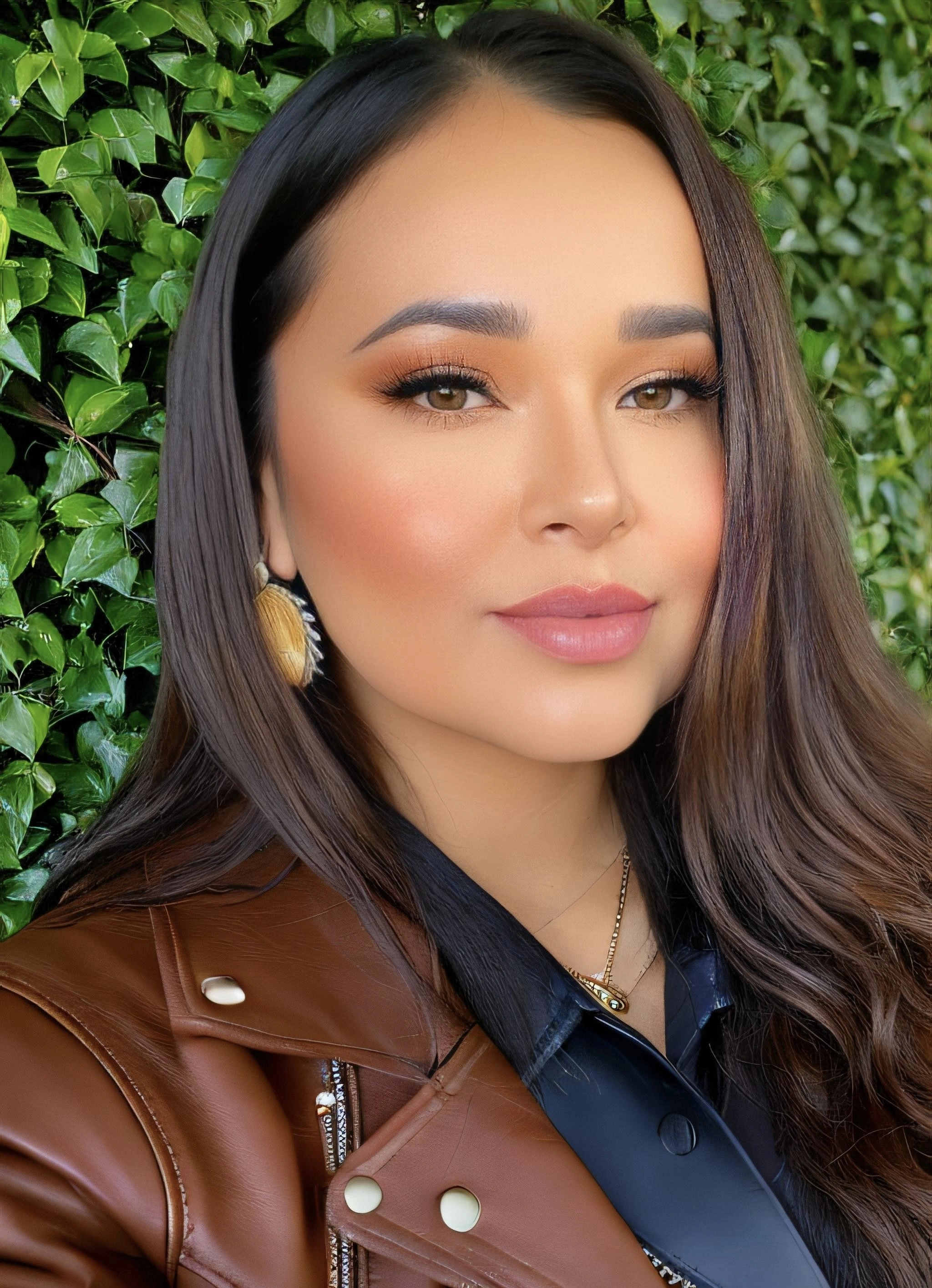 Shelby Ross
University of Colorado Boulder
Oglala Sioux Tribe
PhD in Geography
Shelby Ross’ dissertation is dedicated to improving responses to climate change impacts on Native American health in the North Central region, which includes Montana, Wyoming, Colorado, North Dakota, South Dakota, Nebraska, Kansas, and Iowa. Her dissertation employs mixed methods to center Native Americans as experts of their experiences, aiming to understand the effects of Extreme Weather Events (EWE) on health and healthcare access, particularly for those with Type 2 Diabetes. Through literature reviews, surveys, and interviews with Elders from the Pine Ridge Reservation, Ross investigates how Tribes are preparing for climate change, the differential impacts of EWEs, and the cultural connections to the land and Traditional Ecological Knowledge (TEK).
Ross's research highlights the importance of integrating TEK with academic evidence to address climate change and its health impacts on Indigenous communities. Her findings will contribute to the limited body of research on this topic and guide future actions to support tribal sovereignty and resilience. The dissertation is set to be completed by May 2026, with chapters published in peer-reviewed journals for wide accessibility.
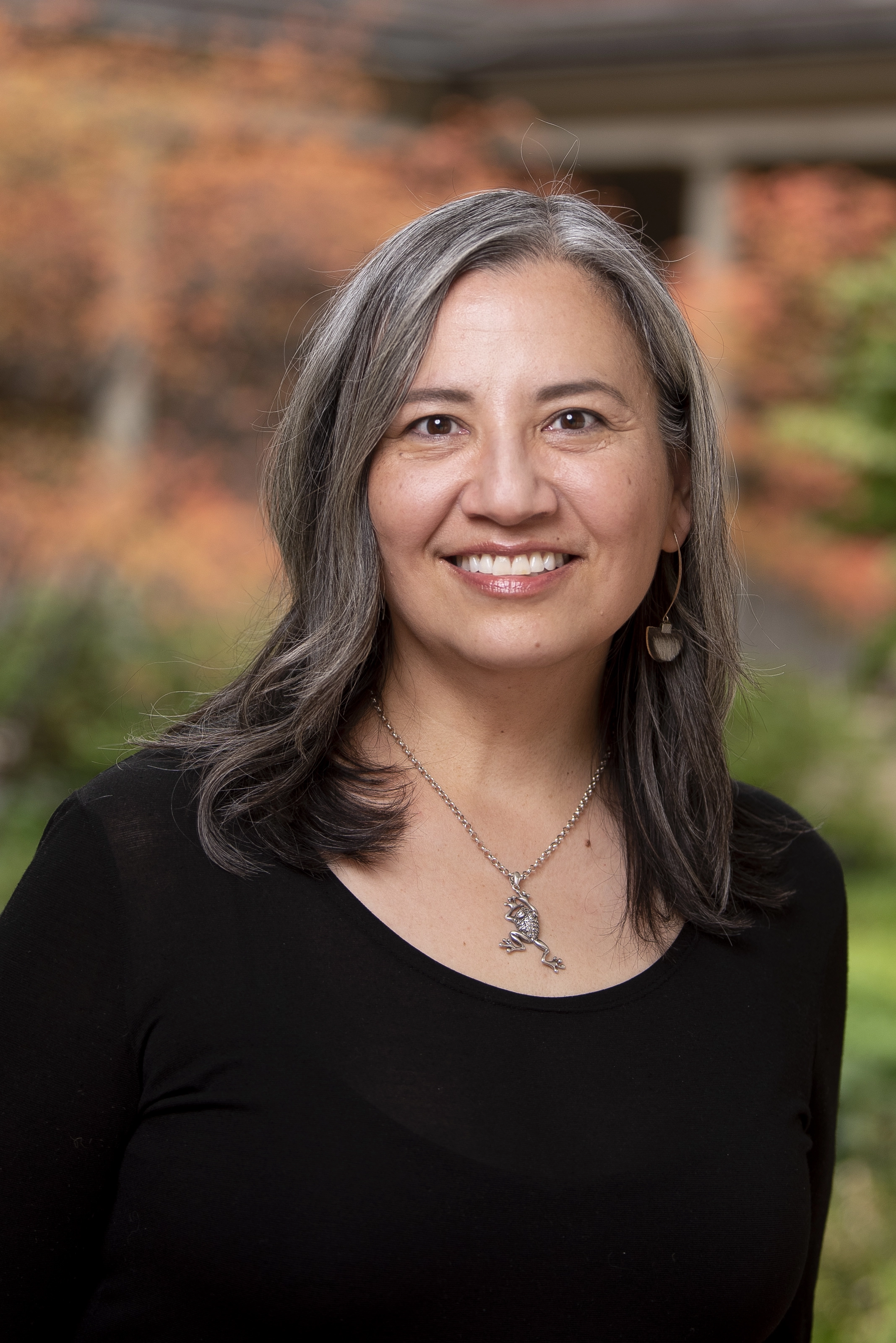 Verné Boerner
Johns Hopkins University
Native Village of Kiana
PhD in Epidemiology
Verné Boerner’s research focuses on the critical disparities in water and sanitation access in rural Alaska, which disproportionately affect Alaska Natives. Her study aims to compare the impact of different water service types—portable alternative sanitation systems (PASS and mini-PASS), piped systems, and unpiped systems—on water use, storage, reliability, and self-reported health symptoms. In rural Alaska, households without in-home piped water or sanitation systems must haul water and use honeybuckets or outhouses for human waste. Nationally, Native Americans are 19 times more likely than Whites to lack access to full water service, with this disparity being most pronounced in rural Alaska Native communities where 22% of households lack in-home piped water systems. Regions with lower in-home water and sanitation service levels have significantly higher hospitalization rates for infectious diseases.
A major barrier to accessing safe water and sanitation is cost. The Indian Health Service (IHS) is responsible for delivering essential facilities to American Indian and Alaska Native communities, but the cost for Alaska Tribal water and sanitation projects is near $2.24 billion. Many projects are deemed infeasible and excluded from IHS funding, perpetuating inequities. The PASS system, developed in 2015, and the Mini-PASS system, developed in 2021, offer potential improvements. Boerner’s research will map water and sanitation disparities using GIS, evaluate measures of water use and reliability, and compare self-reported health symptoms across different water service types. Her study aims to provide insights to inform policy and investment decisions to address these disparities, potentially benefiting other Indigenous and remote communities as well.
About the Elouise Cobell Dissertation Writing-Year Fellowship
All applicants must be enrolled full-time and plan to spend the majority of their award year writing and defending their dissertation. Writing-Year Fellowships will be awarded in a national competition administered by Indigenous Education, Inc. on behalf of the Cobell Scholarship Program. The awards will be made to individuals who, in the judgment of the review panel, have demonstrated superior academic achievement, are committed to a career in their discipline, show promise of future achievement as scholars and leaders, and who may use Indigenous research and/or methodologies as a resource for enriching their field of study, their tribal community, and/or their college/university.
Additional awardee requirements of the Writing-Year Fellowship include attending the Four-Day Cobell Fellowship Symposium held in July, participating in graduate scholar coaching sessions provided by the Fellowship Program, attending eleven monthly virtual meetings following the Symposium via Cobell Community, and, submitting a six-month progress summary to the Fellowship Program via OASIS.
Prerequisites for this award also include being an enrolled member of a U.S. Federally recognized American Indian or Alaska Native tribe, a full-time student during the period of the award, completed all requirements for a doctoral degree except for writing and defense at the time of award and must be first doctoral degree of any kind, at any time, in any field (professional doctorates (Psy.D., M.D., D.O., O.D., J.D., etc.) do not qualify for this fellowship award).
Combination academic doctorates such as Ph.D. with M.D. and Ph.D. with J.D. will be considered on a case-by-case basis upon review of a completed application.
About the Cobell Scholarship Program, Indigenous Education, Inc.
Created in 2016 for the express purpose to administer the Cobell Scholarship Program, Indigenous Education, Inc. provides elevated opportunities for Native college students through empowering them with an impactful scholarship experience designed to support their success in higher education. The overarching mission and vision of Indigenous Education, Inc. is to support American Indian and Alaska Native student success. Since the program’s beginning, it has supported over 5,000 students with more than $50,000,000 in scholarships. To learn more about IEI and the Cobell Scholarship, visit cobellscholar.org.